• About   |
  • Advertise |
  • Contact Us
No Result
View All Result
The Second Angle (TSA Magazine)
Advertise
  • Infotainment
    • Sports
    • People
    • Inspiring
  • Entertainment
    • Lifestyle
    • Home & Decoration
  • Buzz
  • Education
  • Travel
  • Finance
  • Healthcare
  • Technology
The Second Angle
No Result
View All Result
  • Infotainment
  • Entertainment
  • Buzz
  • Education
  • Travel
  • Finance
  • Healthcare
  • Technology
Advertisement
ADVERTISEMENT
Home Opinion

International Anti-Corruption Day – 9 December 2021

Know Brief History and other Details

by Jaya Vats
December 9, 2021
in Opinion
Reading Time: 3 mins read
International Anti-Corruption Day – 9 December 2021
Share on FacebookShare on WhatsApp
Advertisement Advertisement Advertisement
ADVERTISEMENT
4 min readGAdd The Second Angle as a preferred source on Google
Key takeaways
International Anti-Corruption Day: A Brief History: Corruption has existed from the beginning of time.A victory, a defeat, and an opportunity: 2021 was supposed to be a watershed moment in anti-corruption efforts, but it has so far fallen short.We require a structural shift.: When governments approved the UN Convention Against Corruption in 2003, the international community recognized that corruption damages democracy.

Every year, on December 9, the world observes International Anti-Corruption Day. It serves as a reminder for each of us to actively speak up and combat corruption in our own and other people’s lives. The United Nations has designated this day to draw attention to the need of taking anti-corruption measures. The goal of the 2021 International Anti-Corruption Day is to highlight the rights and responsibilities of everyone in combating corruption, including states, government officials, civil servants, law enforcement officers, media representatives, the private sector, civil society, academia, the public, and youth.

Table of Contents
  • International Anti-Corruption Day: A Brief History
  • A victory, a defeat, and an opportunity
  • We require a structural shift.
  • Conclusion

International Anti-Corruption Day: A Brief History

Corruption has existed from the beginning of time. The Code of Hammurabi of Babylonia, the Great Edict of Horemheb of Egypt, and Arthashastra of India include some of the earliest recordings of anti-corruption writings. These writings discussed bribery among state and law enforcement agents. In the nineteenth century, the notion of public interest and welfare began to acquire traction in Western culture, and greater attention was paid to the developing corruption in professional services such as the bureaucracy. Corruption was becoming recognized not just as an unwelcome habit, but also as one that imposed a high cost on society.
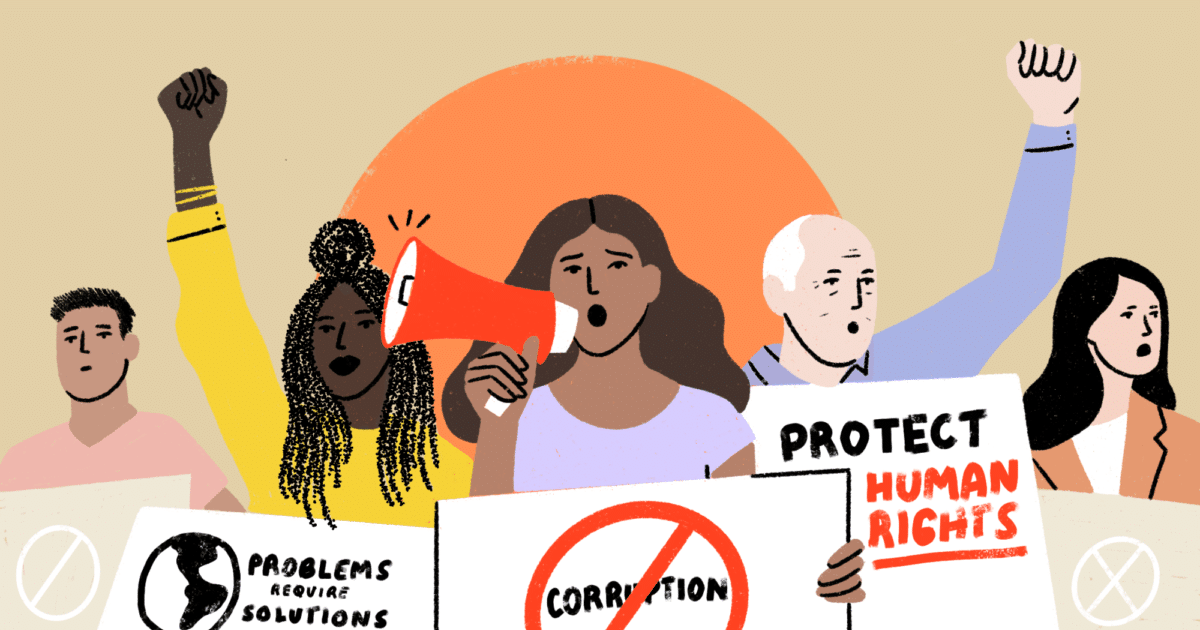
International Anti-Corruption Day 2021: Date, theme and history -  Information News
Image Source India Today

Transparency International is currently one of the most well-known organizations against corruption in nations throughout the world. It was started by Peter Eigen, a World Bank executive who saw the bad impact of corruption in East Africa and decided to establish a non-profit to bring greater attention to the issue. In 1993, the secretariat was established in Berlin. Every two years, it holds the International Anti-Corruption Conference, which brings together civil society, bureaucrats, organizations, and political leaders to discuss the unique, cross-cutting difficulties faced by corruption. It hosted its first virtual conference in 2020, which may be seen online.

All in the name of Bhagwan RamAlso readAll in the name of Bhagwan Ram

A victory, a defeat, and an opportunity

2021 was supposed to be a watershed moment in anti-corruption efforts, but it has so far fallen short. There have been several notable advancements. For example, because of the resolve of our and our friends, the push to halt the exploitation of anonymous shell corporations is now gaining traction.

However, the UN General Assembly Special Session on Corruption, conducted in June, was not what we had hoped for. Governments openly rejected civil society’s pleas to combat massive corruption, sometimes refusing to recognize it. The term “grand corruption” refers to high-level corruption that results in large-scale misappropriation of public monies and resources. It deprives people of their ability to govern and allows political leaders to commit heinous human rights atrocities.
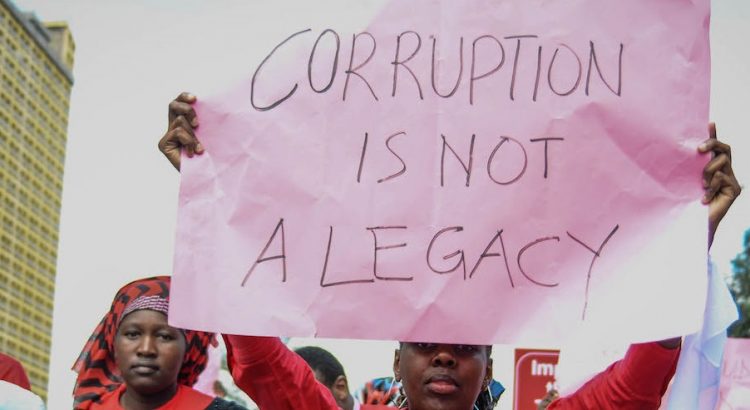
Sub-Saharan Africa: undemocratic regimes undermine anti-corruption efforts  - COPSAM
Image Source COPSAM

Corruption schemes involving big sums of money and high-ranking officials almost usually transcend many countries. Failures in the past to prevent and combat such cross-border corruption have had a negative influence on the health of democracies. There is now a chance to turn the tide.

These interconnected challenges will be central to this week’s Summit for Democracy, which will be hosted by US Vice President Joe Biden. More than 100 nations’ leaders are expected to join him in launching a “year of action” to combat corruption, authoritarianism, and rampant human rights violations.

We require a structural shift.

When governments approved the UN Convention Against Corruption in 2003, the international community recognized that corruption damages democracy. Over the last 15 years, most governments across the world have made little to no progress in the battle against corruption, according to the most recent Corruption Perceptions Index.

Failure to address public sector corruption has resulted in misery for ordinary people in the worst-affected nations, who continue to be denied fundamental public services, robbed of economic prospects, and trapped in poverty. In many other cases, it has been a decade in which policies and choices have been skewed in favour of a strong few, while accountability systems have been degraded or even taken over.
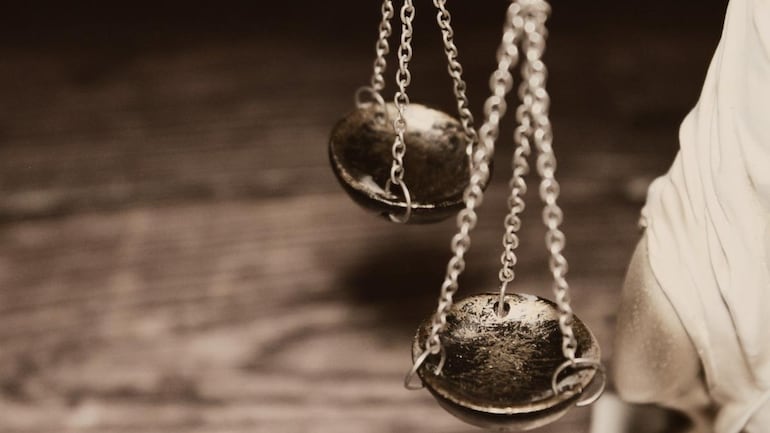
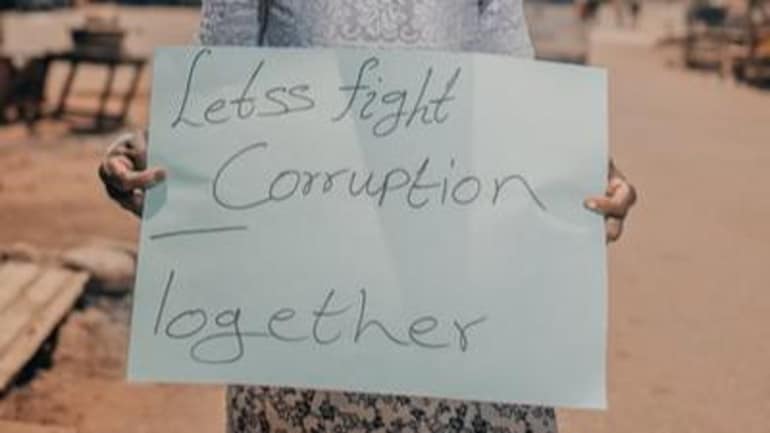
International Anti-Corruption Day 2020: Date, theme, history and quotes -  Information News
Image Source India Today

Conclusion

Corruption has an impact on many aspects of society. Corruption prevention accelerates progress toward the Sustainable Development Goals, protects our planet, generates employment, advances gender equality, and ensures greater access to key services like healthcare and education.

While it is everyone’s right to benefit from effective anti-corruption measures, misbehaviour and wrongdoing are siphoning off critical resources just when they are required to respond to and recover from the COVID-19 disaster.


Also Read:  All in the name of Bhagwan Ram

Enjoyed this story?Share it with your friends
WhatsAppLinkedInXFacebookEmail
See more TSA Mag stories on GoogleAdd us as a preferred source and our stories will show up more often in your Top Stories.
GAdd The Second Angle as a preferred source on Google
ShareSend
Tweet
Previous Post

Top 10 Cheap Cars That Make You Look Rich

Next Post

The correlation between a fake social media life and depression might surprise you.

Related Posts

Are we any closer to gender equality even after 75 years of independence?
Opinion

Gender Equality in India After 79 Years of Independence: The Data

How close is India to gender equality after 79 years of independence? Latest WEF ranking, NCRB crime data, new laws...

Read moreDetails
Is AMU a Secular University? Minority Status Explained
Opinion

Is AMU a Secular University? Minority Status Explained

Is AMU a secular university? What the AMU Act says on admissions, the history of its minority status case and...

Read moreDetails
LGBTQIA+ in Afghanistan
World News

LGBTQIA+ in Afghanistan: Life Under Taliban Rule in 2026

LGBTQIA+ in Afghanistan: the law before 2021, abuses reported under the Taliban, and the July 2025 ICC arrest warrants that...

Read moreDetails
chinese
Opinion

Boycott Chinese Products: What Changed in India Since 2020

Did the call to boycott Chinese products after Galwan work? A look at app bans, investment rules, phone sales and...

Read moreDetails
Uttarakhand to take inspiration from The U.P’s Population Control Bill
Opinion

Uttarakhand Population Control Bill: Status In 2026 Explained

Uttarakhand population control bill explained: what the state proposed in 2021, the UP draft it studied, criticism, and where the...

Read moreDetails
Journalism or Joke? Worst Phase of Indian Media
Featured

Journalism or Joke? Worst Phase of Indian Media

To put it in a few words, it wont be an exaggeration to say this is the ‘worst phase of...

Read moreDetails
Load More
Next Post
The correlation between a fake social media life and depression might surprise you.

The correlation between a fake social media life and depression might surprise you.

About

The Second Angle

The Second Angle (TSA Mag) is an infotainment and lifestyle magazine covering entertainment, travel, technology, health, education and finance.

Important Links

  • About The Second Angle
  • Advertise With Us
  • Editorial Policy
  • Privacy Policy
  • Terms and Conditions
  • Contact Us
  • Careers
  • Newsletter

Explore

  • Infotainment
  • Entertainment
  • Buzz
  • Education
  • Travel
  • Finance
  • Healthcare
  • Technology
Advertise with us

© 2017-2026. The Second Angle. All Rights Reserved. Developed and Managed by Squarebase.io

Welcome Back!

Login to your account below

Forgotten Password?

Retrieve your password

Please enter your username or email address to reset your password.

Log In
No Result
View All Result
  • Infotainment
    • Sports
    • People
    • Inspiring
  • Entertainment
    • Lifestyle
    • Home & Decoration
  • Buzz
  • Education
  • Travel
  • Finance
  • Healthcare
  • Technology

© 2017-2026. The Second Angle. All Rights Reserved. Developed and Managed by Squarebase.io

We use cookies to keep TSA fast and relevant. Read our Privacy Policy.