


• About   |
  • Submit Guest Post |
  • Contact Us
No Result
View All Result
The Second Angle (TSA Magazine)
Advertise
  • Infotainment
    • Sports
    • People
    • Inspiring
  • Entertainment
    • Lifestyle
    • Home & Decoration
  • Buzz
  • Education
  • Travel
  • Finance
  • Healthcare
  • Technology
The Second Angle
No Result
View All Result
  • Infotainment
  • Entertainment
  • Buzz
  • Education
  • Travel
  • Finance
  • Healthcare
  • Technology
Advertisement
ADVERTISEMENT
Home Education

A Guide To 7 Fundamental Rights Every Indian Citizen Should Know

In the democratic republic of India, the Constitution plays a pivotal role in safeguarding the rights and liberties of its citizens. Among the most crucial components of this Constitution are the Fundamental Rights, a set of guarantees that empower individuals and protect their dignity and freedoms.

by TSA Desk
June 28, 2024
in Education
Reading Time: 4 mins read
A Guide To 7 Fundamental Rights Every Indian Citizen Should Know

Leverage Edu

Share on FacebookShare on WhatsApp
Advertisement Advertisement Advertisement
ADVERTISEMENT

These rights are the bedrock of Indian democracy and have been carefully crafted to ensure justice, equality, and the rule of law for every Indian citizen. In this article, we will explore the seven Fundamental Rights enshrined every Indian citizen should be aware of.

Table of Contents
  • 7 Fundamental Rights Every Indian Citizen Should Know:
    • 1. Right to Equality (Article 14-18):
    • 2. Right to Freedom (Article 19-22):
    • 3. Right Against Exploitation (Article 23-24):
    • 4. Right to Freedom of Religion (Article 25-28):
    • 5. Cultural and Educational Rights (Article 29-30):
    • 6. Right to Constitutional Remedies (Article 32):
    • 7. Right to Privacy (Judicial Interpretation):
  • Conclusion:

7 Fundamental Rights Every Indian Citizen Should Know:

1. Right to Equality (Article 14-18):

The Right to Equality is a cornerstone of Indian democracy. It ensures that every citizen is equal before the law and prohibits discrimination on grounds of religion, race, caste, sex, or place of birth.

A Guide To 7 Fundamental Rights Every Indian Citizen Should Know
Get Legal India

Articles 15 and 16, in particular, lay down provisions for the abolition of untouchability and guarantee equal opportunities in public employment.

This right empowers individuals to seek justice if they face discrimination and ensures that all citizens are treated fairly and without prejudice.

RelatedPosts

Interesting Websites

25 Fun Websites to Visit When You’re Bored (2026 + AI Sites)

AMU Entrance Question Papers PDF: Class 6 to MBA (2026)

AMU Entrance Question Papers PDF: Class 6 to MBA (2026)

2. Right to Freedom (Article 19-22):


The Right to Freedom grants citizens certain fundamental freedoms, including the right to freedom of speech and expression, the right to assemble peacefully, the right to form associations or unions, the right to move freely throughout the territory of India, and the right to reside and settle in any part of India.

A Guide To 7 Fundamental Rights Every Indian Citizen Should Know
Imam Hussain

These rights empower citizens to voice their opinions, protest peacefully, and travel freely within the country. However, these freedoms are subject to reasonable restrictions to maintain public order and security.

3. Right Against Exploitation (Article 23-24):

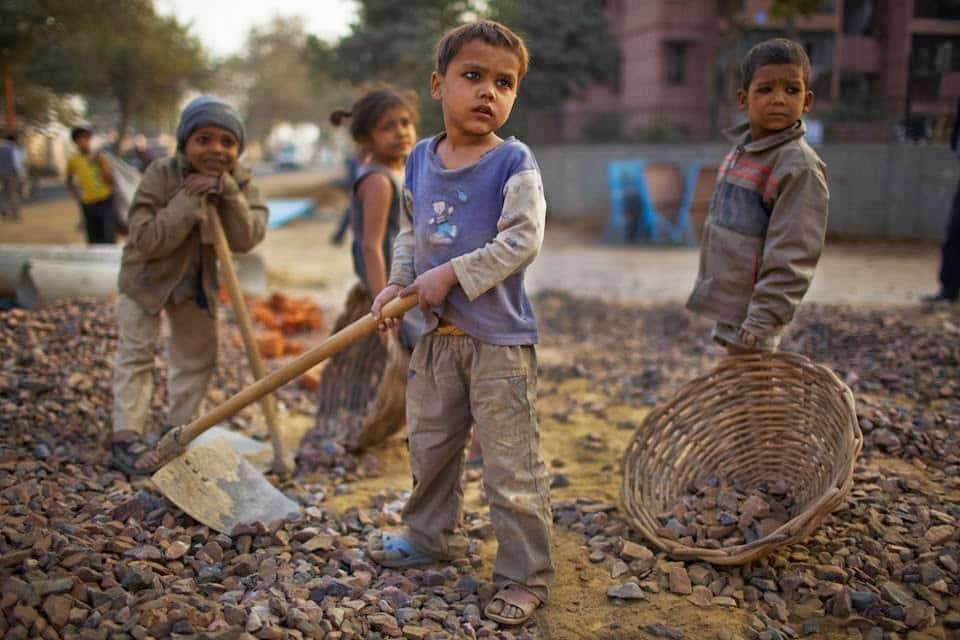
The Right Against Exploitation seeks to eliminate human trafficking and forced labor. Article 23 prohibits trafficking in human beings, begar (forced labor), and other forms of forced labor, while Article 24 prohibits the employment of children below the age of 14 in hazardous industries.
A Guide To 7 Fundamental Rights Every Indian Citizen Should Know
iPleaders

These provisions aim to protect the most vulnerable sections of society from exploitation and ensure that every citizen, regardless of age or circumstances, is afforded the right to dignity and fair treatment.

4. Right to Freedom of Religion (Article 25-28):


The Right to Freedom of Religion ensures that every individual has the freedom to profess, practice, and propagate their religion of choice. India is known for its religious diversity, and these articles protect the religious beliefs and practices of its citizens.

A Guide To 7 Fundamental Rights Every Indian Citizen Should Know
SCC Online

Article 25 also permits the government to regulate or restrict religious practices in the interest of public order, morality, or health. This right reflects India’s commitment to secularism and the peaceful coexistence of various faiths.

5. Cultural and Educational Rights (Article 29-30):

The Cultural and Educational Rights enshrine the rights of minorities to conserve their culture, establish and administer educational institutions of their choice, and receive aid from the government without discrimination.

A Guide To 7 Fundamental Rights Every Indian Citizen Should Know
Wikipedia

These rights are crucial for preserving the cultural and linguistic diversity of India and ensuring that minority communities have the means to educate and empower themselves.

6. Right to Constitutional Remedies (Article 32):

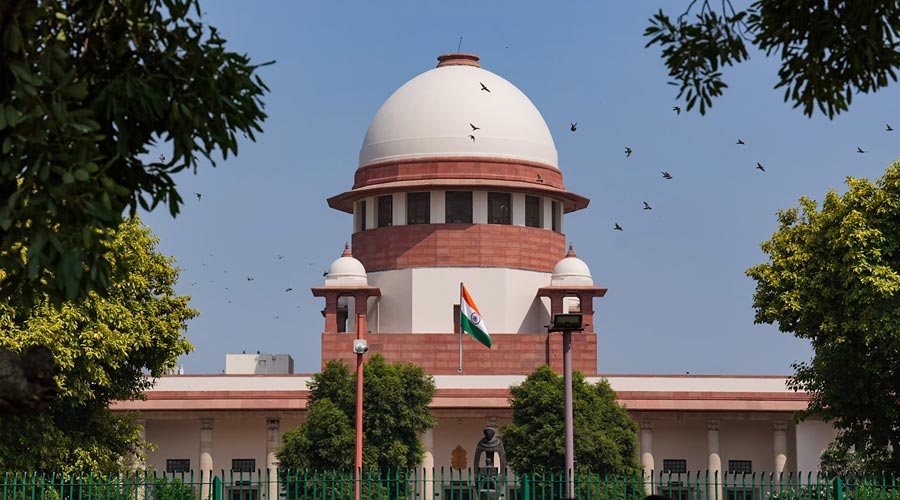
The Right to Constitutional Remedies is often regarded as the “heart and soul” of the Indian Constitution. It empowers citizens to approach the Supreme Court of India directly if their Fundamental Rights are violated.
A Guide To 7 Fundamental Rights Every Indian Citizen Should Know
Telegraph India

This ensures that citizens have an effective mechanism to seek justice and hold authorities accountable for any infringements on their rights. Article 32 acts as a safeguard to protect the sanctity of all other Fundamental Rights.

7. Right to Privacy (Judicial Interpretation):


Though not explicitly mentioned as a Fundamental Right in the Constitution, the Right to Privacy has been recognized as an inherent aspect of the Fundamental Rights, particularly Article 21 (Right to Life and Personal Liberty).

A Guide To 7 Fundamental Rights Every Indian Citizen Should Know
Ias Express

In landmark judgments, the Indian Supreme Court has affirmed that privacy is a fundamental right, protecting citizens from unwarranted intrusion by the state and private entities. This right has gained significant importance in the digital age, where personal data is increasingly vulnerable to misuse.

Conclusion:

In conclusion, the Fundamental Rights granted by the Indian Constitution form the backbone of India’s democratic framework. They ensure that every citizen has the freedom and protection they deserve, regardless of their background or circumstances. Understanding and upholding these rights is not only a responsibility but also a privilege that every Indian citizen should cherish.

These rights collectively represent the values of justice, equality, and liberty that are the essence of the Indian democratic ethos. As citizens, it is our duty to be aware of these rights and use them responsibly to build a just and inclusive society.

Also Read: Top 10 Most Memorable Moments In Olympic History

10 Essential Laws for Consumer Rights Every Indian Should Be Aware Of

ShareSend
Tweet
Previous Post

Voting underway in Iran’s presidential election following leader’s death

Next Post

Lupita Nyong’o Details How Taylor Swift’s Music ‘Lifted’ Her Up Amid ‘Self-Doubt’

Related Posts

Interesting Websites
Education

25 Fun Websites to Visit When You’re Bored (2026 + AI Sites)

A checked 2026 list of 25 fun websites for when you are bored, from internet classics like Neal.fun and GeoGuessr...

Read moreDetails
AMU Entrance Question Papers PDF: Class 6 to MBA (2026)
Education

AMU Entrance Question Papers PDF: Class 6 to MBA (2026)

Course-wise AMU entrance question papers and official 2026 answer keys, with Class 11 and B.Tech exam patterns, CUET-based courses, 2026...

Read moreDetails
Students learning on computers at a school in Bengaluru
Education

What Is NEP 2020? Key Changes Explained for Students and Parents

The National Education Policy 2020 changes how Indian students learn from preschool to university. Here are the key changes in...

Read moreDetails
An open notebook with handwritten notes and a pen
Education

How to Take Better Notes: 5 Proven Methods for Students

Good notes help you understand and remember. These five note-taking methods, and a few simple habits, work for school, college...

Read moreDetails
Parliament of India building in New Delhi
Education

Fundamental Duties in the Indian Constitution: All 11 Explained Simply

Article 51A lists eleven duties every Indian citizen is expected to follow. Here they are in plain language, with their...

Read moreDetails
gandhi
Listicles

Gandhi Jayanti: The Teachings of Gandhi That Stands True Even Today

Gandhi's quotes which still teach, inspire, motivate and stand true to the need of the present scenario. Let's read along...

Read moreDetails
Load More
Next Post
Lupita Nyong’o Details How Taylor Swift’s Music ‘Lifted’ Her Up Amid ‘Self-Doubt’

Lupita Nyong’o Details How Taylor Swift’s Music ‘Lifted’ Her Up Amid ‘Self-Doubt’

About

The Second Angle

The Second Angle (TSA Mag) is an infotainment and lifestyle magazine covering entertainment, travel, technology, health, education and finance.

Important Links

  • About The Second Angle
  • Write for Us: Guest Post Guidelines
  • Privacy Policy
  • Terms
  • Contact Us
  • Newsletter

Explore

  • Infotainment
  • Entertainment
  • Buzz
  • Education
  • Travel
  • Finance
  • Healthcare
  • Technology
Advertise with us

© 2017-2026. The Second Angle. All Rights Reserved. Developed and Managed by SquareBase.io

Welcome Back!

Login to your account below

Forgotten Password?

Retrieve your password

Please enter your username or email address to reset your password.

Log In
No Result
View All Result
  • Infotainment
    • Sports
    • People
    • Inspiring
  • Entertainment
    • Lifestyle
    • Home & Decoration
  • Buzz
  • Education
  • Travel
  • Finance
  • Healthcare
  • Technology

© 2017-2026. The Second Angle. All Rights Reserved. Developed and Managed by SquareBase.io

This website uses cookies. By continuing to use this website you are giving consent to cookies being used. Visit our Privacy and Cookie Policy.