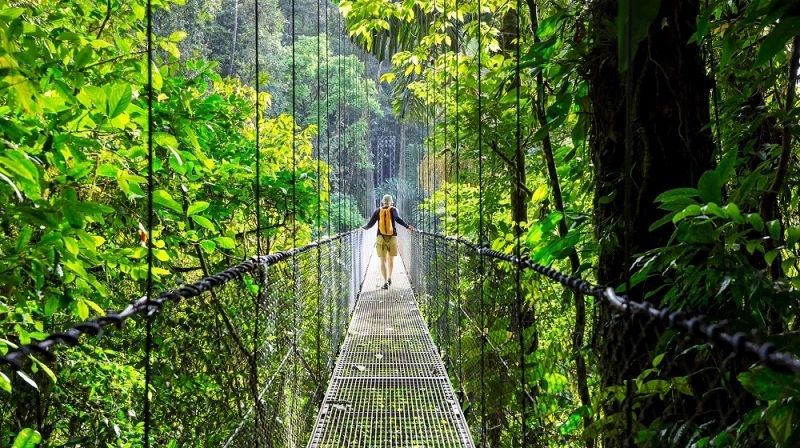

The best ecotourism destinations in India include Periyar Tiger Reserve in Kerala, Valparai in Tamil Nadu, Chandratal Lake and Spiti Valley in Himachal Pradesh, Northeast India, Kokkarebellur in Karnataka, the Madras Crocodile Bank near Chennai, the Andaman and Nicobar Islands and the Bisle rainforest. Each offers nature and wildlife, along with clear reasons to travel lightly.
Ecotourism means visiting natural areas in a way that protects the environment and supports local communities. In India, many of the most beautiful places are also fragile. This updated 2026 guide covers nine natural heritage destinations and what responsible travel looks like at each one.
Quick facts: 9 ecotourism destinations in India
| Destination | State or UT | Known for |
|---|---|---|
| Periyar Tiger Reserve | Kerala | Elephants, tigers, Western Ghats forest |
| Valparai | Tamil Nadu | Tea estates, lion-tailed macaques, hornbills |
| Chandratal Lake | Himachal Pradesh | High-altitude Ramsar wetland |
| Northeast India | Eight states | Rainforests, one-horned rhino, festivals |
| Kokkarebellur | Karnataka | Village nesting pelicans and painted storks |
| Madras Crocodile Bank | Tamil Nadu | Reptile conservation |
| Spiti Valley | Himachal Pradesh | Cold desert, snow leopards |
| Andaman and Nicobar Islands | Union territory | Coral reefs, marine national park |
| Bisle Rainforest | Karnataka | Dense Western Ghats forest |
9 natural heritage destinations for ecotourism in India
1. Periyar Tiger Reserve, Kerala
Periyar lies near Thekkady and Kumily in the Cardamom Hills of the Western Ghats, spread across Idukki and Pathanamthitta districts. The protected area covers about 925 sq km and became the Periyar Tiger Reserve under Project Tiger in 1978.
 Also readTop 10 Richest Kids in the World and Where They Are Now (2026)
It is best known for Asian elephants and tigers, and about 35 mammal species have been recorded, including gaur, sambar and dhole. Book activities through the official reserve channels rather than unlicensed operators.
2. Valparai, Tamil Nadu
Valparai is a hill station in Coimbatore district on the Anaimalai Hills. Tea and coffee estates cover much of the land, and the area is part of the Anamalai Tiger Reserve area.
Wildlife includes elephants, lion-tailed macaques, gaur, sambar and great hornbills, while the Nilgiri tahr lives in the wider Anaimalai Hills. The region is an elephant tract, so drive slowly, especially after dark.
3. Chandratal Lake, Himachal Pradesh
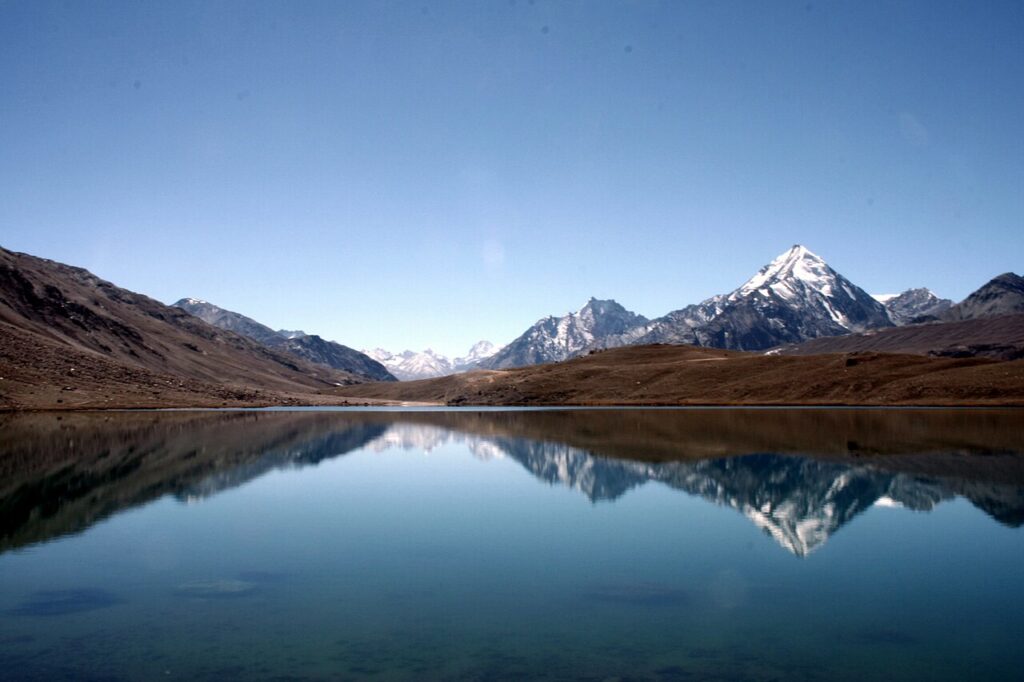
Chandratal sits at about 4,300 metres in Lahaul and Spiti district. It was declared a Ramsar wetland of international importance in 2005, one of two high-altitude wetlands in India with that status, according to Wikipedia.
The lake is reachable from late May to early October and stays frozen from December to March. Walk the last stretch where you can, carry your waste back and never wash anything in the lake.
4. Northeast India
The Northeast covers eight states: Arunachal Pradesh, Assam, Manipur, Meghalaya, Mizoram, Nagaland, Sikkim and Tripura. They are often loosely called the Seven Sister States, though Sikkim makes it eight.
The region has rainforests and rare wildlife such as the clouded leopard, one-horned rhino, gayal and hoolock gibbon. Nagaland’s Hornbill Festival, held in early December, is a good time to see local culture.
5. Kokkarebellur, Karnataka
Kokkarebellur is a village in Maddur taluk, Mandya district, about 83 km from Bengaluru. Spot-billed pelicans and painted storks nest on trees inside the village, and both are listed as near threatened by the IUCN.
Villagers see the birds as a sign of good luck and use their droppings as fertiliser. Since 1976, the Karnataka Forest Department has compensated villagers for nesting trees. Birds arrive after the monsoon and stay until about May, so visit between September and April.
6. Madras Crocodile Bank Trust, near Chennai
The Madras Crocodile Bank Trust and Centre for Herpetology is a reptile park and research centre about 40 km south of Chennai on the coastal road towards Puducherry. It works on the conservation of crocodiles and other reptiles.
The same coast is a nesting area for Olive Ridley turtles. If you visit in nesting season, follow the guidance of local conservation groups and avoid lights on the beach at night.
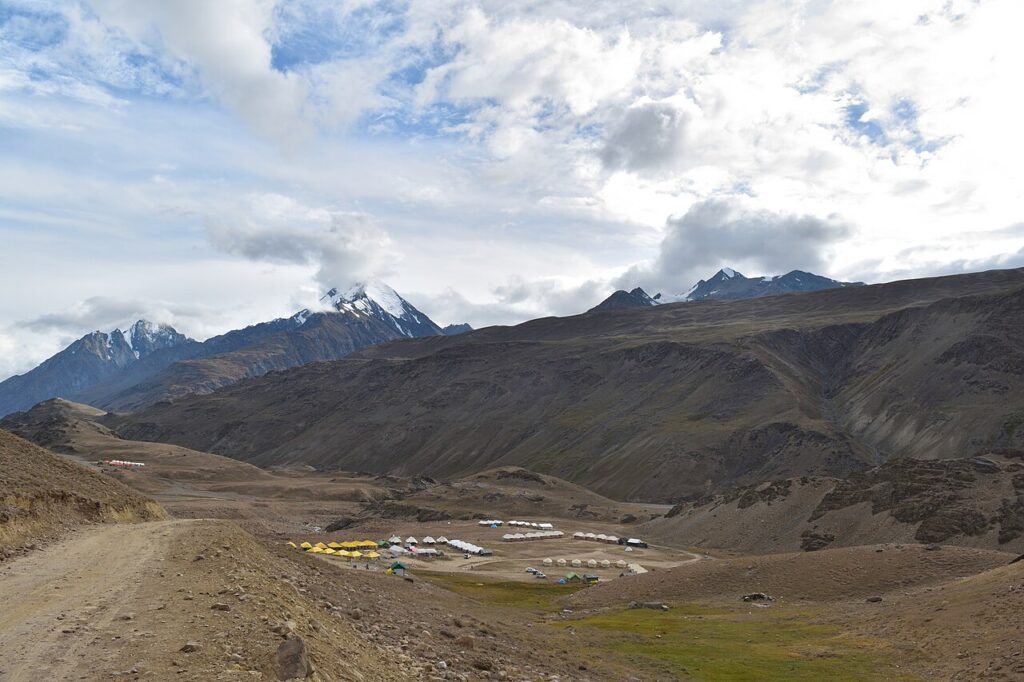
7. Spiti Valley, Himachal Pradesh
Spiti is a high cold desert valley whose name is commonly said to mean “middle land”. It is part of the Himalayan snow leopard range and a good base for responsible wildlife travel with local guides.
A national assessment reported in 2024 estimated 718 snow leopards in the country, with Himachal Pradesh among the states where they are found. The species is listed as Vulnerable by the IUCN. Waste management is a real issue in Spiti, so carry refillable bottles and avoid single-use plastic.
8. Andaman and Nicobar Islands
The union territory has 836 islands and islets, but only 31 are permanently inhabited, according to Wikipedia. The capital is Port Blair, now officially called Sri Vijaya Puram.
The Mahatma Gandhi Marine National Park, set up in 1983, protects coral reefs across 15 islands in South Andaman. Do not touch or stand on coral, and use reef-safe sunscreen. Many areas, including tribal reserves, are closed to visitors.
9. Bisle Rainforest, Karnataka
The Bisle Reserve Forest near Sakleshpur in the Western Ghats is foggy, wet and dense. It is home to snakes, frogs, birds and mammals including elephants, leopards and sloth bears.
The forest is best explored with a local guide and forest department permission where required. Avoid trekking alone during the monsoon, when trails become slippery.
How to travel responsibly
- Stay in locally run homestays and hire local guides.
- Carry back all plastic and waste.
- Keep a safe distance from wildlife and never feed animals.
- Check permits and opening seasons with official forest or tourism departments.
Find more trip ideas in our travel section and sustainable living stories in our lifestyle section.
Further reading: Telegram.
Frequently asked questions
What is ecotourism in India?
Ecotourism is travel to natural areas that protects the environment and benefits local people. In India it includes wildlife reserves, wetlands, forests and community-run villages.
Which is the best ecotourism destination in India?
Periyar Tiger Reserve in Kerala, Kokkarebellur in Karnataka and Spiti Valley in Himachal Pradesh are among the best for different types of travellers.
How many snow leopards are there in India?
A national assessment reported in 2024 estimated 718 snow leopards in India, with the largest share in Ladakh.
When is the best time to visit Chandratal Lake?
The lake is accessible from late May to early October. It is frozen from December to March.
Sources: Wikipedia: Chandratal, Wikipedia: Kokkarebellur, Wikipedia: Snow leopard, Wikipedia: Andaman and Nicobar Islands.