


To file an RTI application in India, write a short request for specific information, address it to the Public Information Officer of the right department, and pay the fee of Rs 10 for central bodies. You can file online at rtionline.gov.in for central ministries or by post. The officer must normally reply within 30 days.
The Right to Information Act, 2005 came into force on 12 October 2005. Since then, citizens have used it to track pensions, ration cards, road works, exam records and much more. This guide covers the full process, from drafting the question to filing an appeal.
Who can file an RTI and what you can ask
Any citizen of India can file an RTI application. You do not have to give a reason for asking, and you only need to give contact details so the reply can reach you.
 Also readIndian Classical Dance Forms: A Beginner’s Guide to All Eight
You can ask for information held by a “public authority”. This includes central and state government departments, ministries, local bodies such as municipal corporations and panchayats, public sector undertakings, and bodies substantially funded by the government. Information can be records, documents, emails, file notings, orders, reports, samples and data in electronic form.
What you cannot get
Section 8 of the Act lists exemptions. These include information that would harm national security or sovereignty, information forbidden by a court, cabinet papers before a decision is taken, and personal information with no link to public activity. Under Section 24, certain intelligence and security organisations are outside the Act, except for information on corruption and human rights violations.
Step-by-step: how to file an RTI application
1. Identify the right public authority
Find out which department actually holds the information. A question about your passport goes to the passport office under the Ministry of External Affairs, while a question about a local road goes to your municipal body. If you send it to the wrong office, the Act requires it to be transferred within five days, but getting it right saves time.
2. Draft clear, specific questions
Ask for information, not opinions. Instead of asking why your file is delayed, ask for the date your application was received, the names and designations of officers who handled it, and certified copies of file notings. Number each question. The central RTI rules set a limit of 500 words for the application, excluding addresses.
3. Choose online or offline filing
- Online (central bodies): use the RTI Online portal at rtionline.gov.in, run by the Department of Personnel and Training. Choose the ministry or department, type your request (the portal allows up to 3,000 characters, with longer text uploaded as a PDF), pay online and note your registration number.
- Online (state bodies): the central portal does not accept requests for state departments, including the Delhi government. Several states run their own RTI portals, so check your state’s official website.
- Offline: write the application on plain paper, address it to the Public Information Officer (PIO) of the department, attach the fee and send it by speed post or registered post, or hand it in and take a receipt.
4. Pay the fee
For central public authorities, the application fee is Rs 10. You can pay online on the portal or, offline, by Indian Postal Order, demand draft or banker’s cheque in favour of the department’s accounts officer. Applicants below the poverty line do not pay a fee but must attach a copy of their BPL certificate. State governments set their own fees, so check the state rules.
If you ask for copies, the PIO may charge extra, such as Rs 2 per A4 page under the central rules. The PIO must tell you the amount in writing before sending the copies.
5. Track the response
Keep your registration number or postal receipt. On the central portal, you can view status using the registration number and an OTP sent to your email.
Time limits under the RTI Act
| Situation | Time limit |
|---|---|
| Normal reply from PIO | 30 days |
| Information about life or liberty of a person | 48 hours |
| Application submitted through an Assistant PIO | 5 extra days |
| Information involving a third party | 40 days |
| Filing first appeal | Within 30 days of reply or deadline |
| Filing second appeal with Information Commission | Within 90 days of first appeal decision |
If the PIO does not reply within the time limit, the request is treated as refused, and you can move to appeal.
How to file an RTI appeal
First appeal
If you get no reply, an incomplete reply or a refusal you disagree with, file a first appeal with the First Appellate Authority. This is a senior officer in the same department, and the PIO’s reply should name them. Attach a copy of your original application and the reply, if any, and explain briefly what is missing. There is no fee for a first appeal on the central portal. Note that online first appeals on the central portal are only available for applications that were filed online.
Second appeal
If the first appeal does not resolve the matter, you can approach the Central Information Commission for central bodies or the State Information Commission for state bodies. The Commission can order disclosure and, under Section 20, can impose a penalty on the PIO of Rs 250 per day of delay, up to a maximum of Rs 25,000, for unreasonable delay or refusal without cause.
Tips for a stronger RTI application
- Ask for documents and data, not explanations or advice.
- Mention a clear time period, such as “from 1 April 2025 to 31 March 2026”.
- Request certified copies when you may need them as evidence.
- Keep a copy of everything you send and every reply you receive.
- Avoid very broad requests. Several short applications often work better than one long list.
For more explainers on rights and public services, see our infotainment section. Students checking exam records may also find our education section useful.
A short note on how RTI began
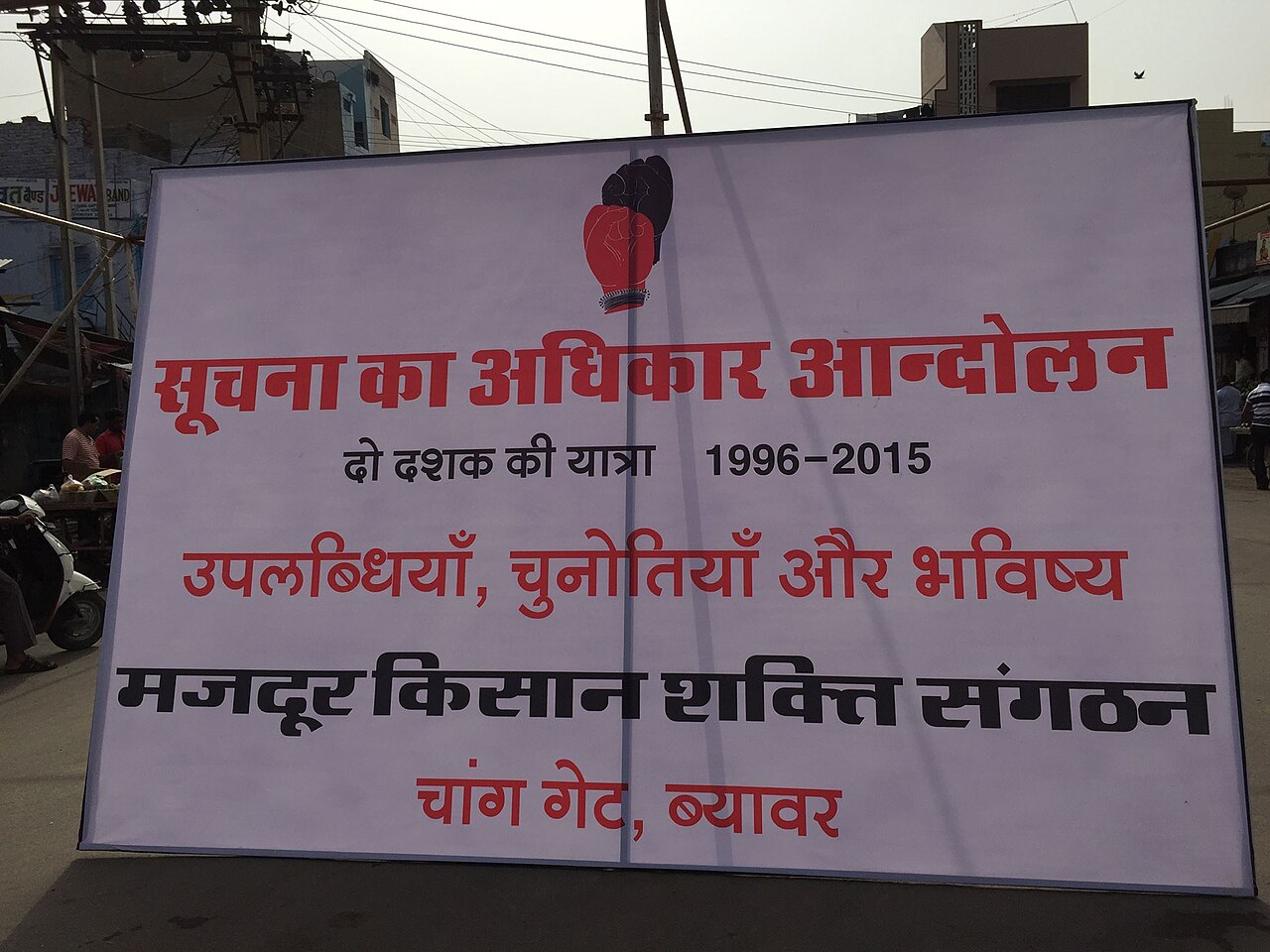
The national law grew out of grassroots campaigns in the 1990s. The Mazdoor Kisan Shakti Sangathan in Rajasthan held public hearings where villagers checked official records of wages and works, and a long sit-in at Beawar in 1996 became a landmark of the movement. Several states passed their own laws before Parliament passed the central Act in 2005.
Frequently asked questions
What is the RTI fee for central government departments?
It is Rs 10 per application. Applicants below the poverty line are exempt if they attach a valid BPL certificate.
Can I file an RTI for a state department on rtionline.gov.in?
No. The central portal is only for central public authorities. Use your state’s RTI portal, if available, or file by post.
Do I need to give a reason for my RTI request?
No. The Act says applicants do not have to give any reason for seeking information.
What if I do not get a reply in 30 days?
Treat it as a refusal and file a first appeal with the First Appellate Authority of the same department.
Sources: RTI Online, Government of India, Central Information Commission, Wikipedia: Right to Information Act, 2005.