

• About   |
  • Advertise |
  • Contact Us
No Result
View All Result
The Second Angle (TSA Magazine)
Advertise
  • Infotainment
    • Sports
    • People
    • Inspiring
  • Entertainment
    • Lifestyle
    • Home & Decoration
  • Buzz
  • Education
  • Travel
  • Finance
  • Healthcare
  • Technology
The Second Angle
No Result
View All Result
  • Infotainment
  • Entertainment
  • Buzz
  • Education
  • Travel
  • Finance
  • Healthcare
  • Technology
Advertisement Advertisement Advertisement
ADVERTISEMENT
Home Offbeat

A Lack of Perceived Safety May Do More Harm to LGBTQIA+ People than Exposure to Discriminatory Events

by Alex Malkin
March 7, 2023
in Offbeat
Reading Time: 3 mins read
A Lack of Perceived Safety May Do More Harm to LGBTQIA+  People than Exposure to Discriminatory Events
Share on FacebookShare on WhatsApp
Advertisement Advertisement Advertisement
ADVERTISEMENT
3 min readGAdd The Second Angle as a preferred source on Google
Key takeaways
Expanding on Past ResearchWhat Minorities Are Affected?LGBTQIA+ People and Safety
Research by UCLA psychoneuroimmunologist, George Slavich, found that even if human beings never encounter discrimination or direct stress, they continue to move through the world without being able to take their safety for granted. University of Utah psychology professor, Lisa Diamond and doctoral graduate Jenna Alley, recently published a new theory in the journal, Neuroscience and Biobehavioral Reviews. Based on Slavich’s findings, the theory states that “It’s not just the presence of stress that’s killing us… it’s the absence of social safety.” Their findings are in conflict with previous research, which assumed that it was actual exposure to discriminatory events that caused the most damage.
Table of Contents
  • Expanding on Past Research
  • What Minorities Are Affected?
    • Absorbing the Others' Experiences
  • LGBTQIA+ People and Safety

Expanding on Past Research

Many studies undertaken over the past few decades have shown that LGBTQIA+ teens and adults have higher rates of mental illness than the general population. One study showed that depression is now a bigger mental health risk for gay and bisexual men than HIV. Higher level of cardiovascular problems have also been found in LGBTQIA+ individuals. Up until now, it has been assumed that these health disparities could be attributed to “minority stress.” This term was coined by epidemiologist, Ilan Meyer of UCLA. He defined it as the cumulative burden that results from being exposed to violence or discrimination; the kind that reinforces one’s stigmatized or minority status.
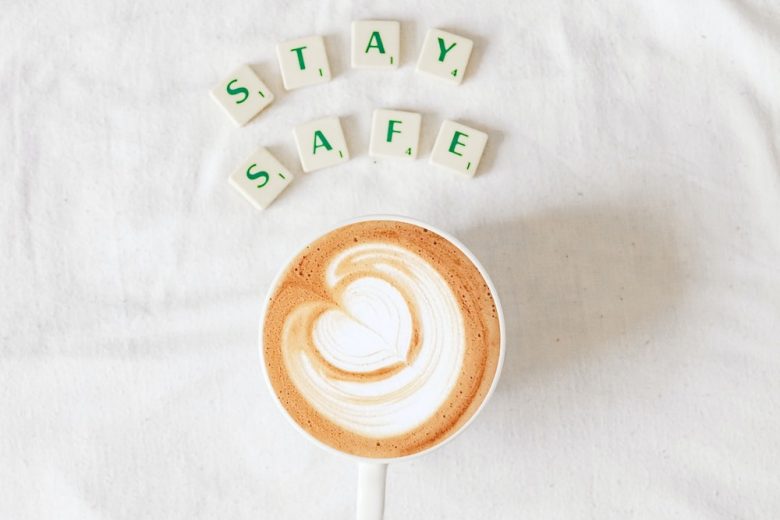
Safety May Do More Harm to LGBTQIA+

What Minorities Are Affected?

Frequent sexual orientations in current society include homosexuality, bisexuality, bicuriosity, pansexuality, asexuality, queer, androsexuality, gyenesexuality, and more. Kinsey’s research from the 1940s was the first to explain that the vast majority of people rated somewhere in the middle of what is actually a wide spectrum of sexuality. Today, the world prides itself on being more diverse and inclusive, yet it is not unusual to encounter news stories and social media entries indicating that discrimination is very much still a tremendously harmful force to contend with.

Absorbing the Others’ Experiences

Diamond and Alley based their groundbreaking theory on research conducted in 2020 by psychoneuroimmunologist, George Slavich. He explained that the need for evolution prompts human beings to be watchful for situations that could cause them physical or social harm. For instance, when the human body perceives an unsafe situation as a physical threat, it responds by altering immune system function. When stress is chronic, it can pose a “multi-level biological threat” that lowers our immunity to viral infractions and diseases related to inflammation. Heart disease is just one of many illnesses that are strongly linked to inflammation.

LGBTQIA+ People and Safety

Diamond and Alley postulate that human beings receive various cues (such as someone smiling at them, offering them a seat, or opening the door for them) which together make them feel connected to something larger than themselves. However, people who experience stigma (including sexually or gender-diverse individuals) may not experience this sense of safety. They may incessantly monitor their social surroundings, fearing that something threatening could ensue. This continuous state of vigilance can trigger inflammation and cause disease and dysfunction.
Feeling alone and marginalized puts people into a hyper-vigilant state. This state can cause the body to respond as though it were in a situation of danger. Inflammation and susceptibility to infections are both evidence of the importance of feeling connected and supported in one’s social setting.
Enjoyed this story?Share it with your friends
WhatsAppLinkedInXFacebookEmail
See more TSA Mag stories on GoogleAdd us as a preferred source and our stories will show up more often in your Top Stories.
GAdd The Second Angle as a preferred source on Google

ShareSend
Tweet
Previous Post

Sri Lanka approves $442-million wind power project of Adani Group

Next Post

Understanding the Cost of Medicare Coverage

Related Posts

Home Renovations Made Easy: Creative Ways to Fund Your Dream Upgrades
Home & Decoration

Adam Sandler Net Worth 2026: Netflix Deal, Salary and Career

Adam Sandler net worth explained: his estimated fortune, Forbes earnings, Netflix deals, Happy Gilmore 2 success and how Happy Madison...

Read moreDetails
Inspirational Quotes for College Essays
Offbeat

15 Inspirational Quotes for College Essays and How to Use Them

15 inspirational quotes for college essays from Mandela, Kalam, Ambedkar and others, with checked attributions and tips on using a...

Read moreDetails
Gambling in Pop Culture: Why Hollywood Loves Casino Films
iGaming

Gambling in Pop Culture: Why Hollywood Loves Casino Films

How gambling in pop culture evolved, from Casablanca and Ocean's 11 to Casino, Rounders and Uncut Gems, and what India's...

Read moreDetails
Why Fit People Are Still Getting Heart Issues
Offbeat

Why Fit People Are Still Getting Heart Issues: 8 Hidden Causes

Why fit people are still getting heart issues: genes, silent high BP, binge drinking and extreme workouts. What ICMR and...

Read moreDetails
6 Colleges With the Best Campus Life in the US: 2026 Guide
Education

6 Colleges With the Best Campus Life in the US: 2026 Guide

Colleges with the best campus life in the US, from the University of Florida and UVA to Stanford, UCLA, Yale...

Read moreDetails
Best Websites for Gaming in 2026: 8 Free Browser Game Sites
Gaming

Best Websites for Gaming in 2026: 8 Free Browser Game Sites

The best websites for gaming in 2026, from Poki and CrazyGames to Armor Games and itch.io. Free browser game sites,...

Read moreDetails
Load More
Next Post
Understanding the Cost of Medicare Coverage

Understanding the Cost of Medicare Coverage

About

The Second Angle

The Second Angle (TSA Mag) is an infotainment and lifestyle magazine covering entertainment, travel, technology, health, education and finance.

Important Links

  • About The Second Angle
  • Advertise With Us
  • Editorial Policy
  • Privacy Policy
  • Terms and Conditions
  • Contact Us
  • Careers
  • Newsletter

Explore

  • Infotainment
  • Entertainment
  • Buzz
  • Education
  • Travel
  • Finance
  • Healthcare
  • Technology
Advertise with us

© 2017-2026. The Second Angle. All Rights Reserved. Developed and Managed by Squarebase.io

Welcome Back!

Login to your account below

Forgotten Password?

Retrieve your password

Please enter your username or email address to reset your password.

Log In
No Result
View All Result
  • Infotainment
    • Sports
    • People
    • Inspiring
  • Entertainment
    • Lifestyle
    • Home & Decoration
  • Buzz
  • Education
  • Travel
  • Finance
  • Healthcare
  • Technology

© 2017-2026. The Second Angle. All Rights Reserved. Developed and Managed by Squarebase.io

We use cookies to keep TSA fast and relevant. Read our Privacy Policy.