
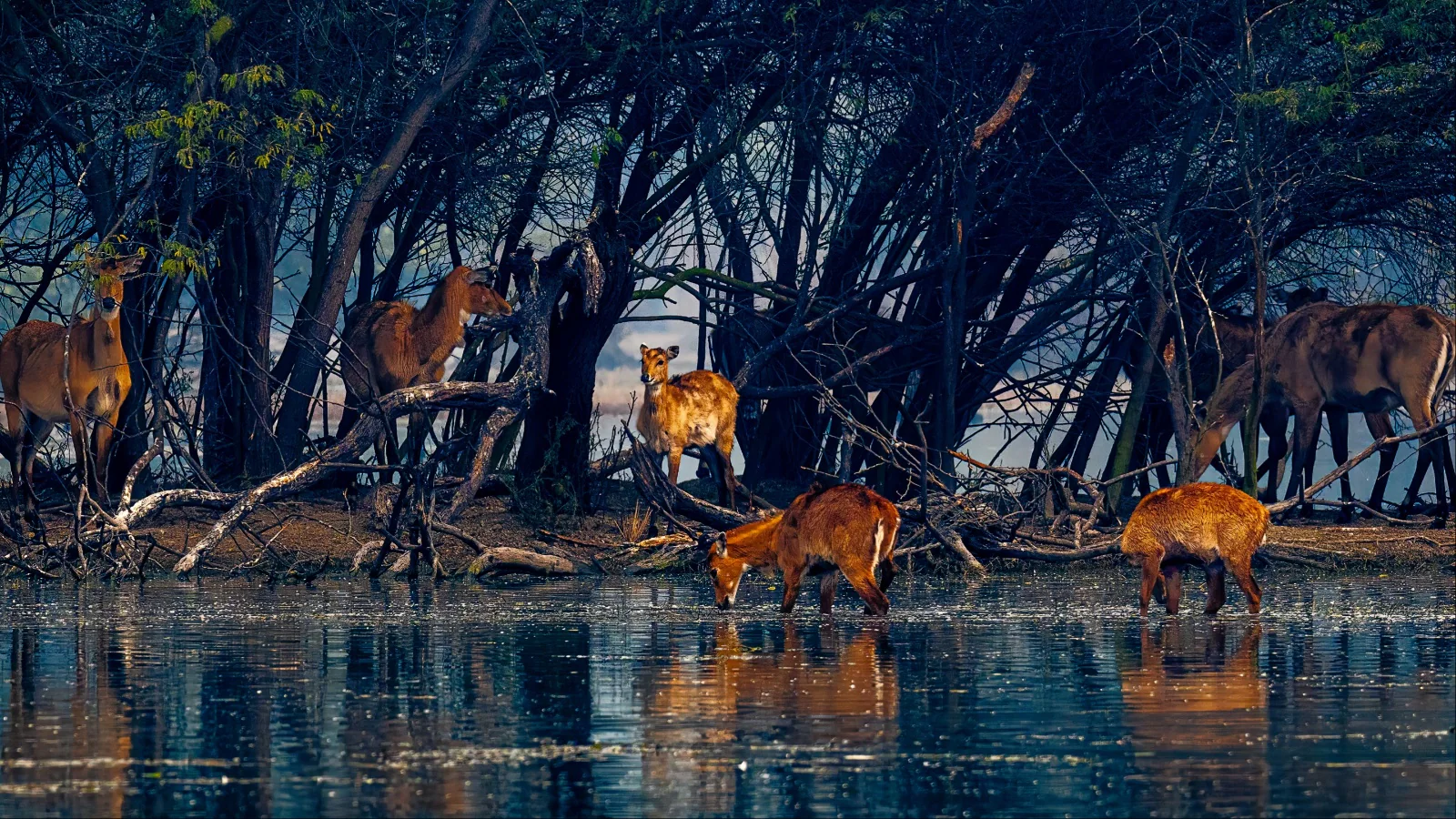

The best national parks and wildlife areas near Delhi are Sultanpur National Park in Gurugram, Asola Bhatti Wildlife Sanctuary on Delhi’s southern edge, Okhla Bird Sanctuary in Noida, Surajpur Wetland in Greater Noida, Bhindawas Wildlife Sanctuary in Jhajjar and Kalesar National Park in Yamunanagar. Most suit a day trip, and winter is the best season for birds.
Strictly speaking, only Sultanpur and Kalesar are notified national parks. The others are wildlife or bird sanctuaries and protected wetlands, but they are just as rewarding for nature lovers. This updated guide, current as of October 2026, covers six of them.
Quick comparison
| Place | Type | Location | Best for |
|---|---|---|---|
| Sultanpur National Park | National park, Ramsar site | Gurugram, Haryana | Winter waterbirds |
| Asola Bhatti | Wildlife sanctuary | South Delhi, Aravallis | Nature walks, leopards’ habitat |
| Okhla Bird Sanctuary | Bird sanctuary | Noida, Uttar Pradesh | Birding by the Yamuna |
| Surajpur Wetland | Protected wetland | Greater Noida, Uttar Pradesh | Migratory ducks |
| Bhindawas | Wildlife sanctuary, Ramsar site | Jhajjar, Haryana | Quiet birding trip |
| Kalesar National Park | National park | Yamunanagar, Haryana | Forest and large mammals |
National parks and sanctuaries near Delhi
1. Sultanpur National Park, Gurugram
Sultanpur is the closest national park to Delhi and is best known for birdwatching. It covers about 142.5 hectares around a shallow lake and was designated a Ramsar wetland of international importance in May 2021. The Ramsar listing records more than 220 species of resident and migratory waterbirds.
 Also read8 Most Colourful Festivals Around the World and When to Go
Winter visitors include bar-headed geese and greylag geese, and the park also supports threatened species such as the sociable lapwing. Older articles mention Siberian cranes here, but these are not seen at Sultanpur today. Walking trails and watchtowers make it easy to spend a morning.
2. Asola Bhatti Wildlife Sanctuary, Delhi
Asola Bhatti lies on the Delhi to Haryana border, on the southern Delhi Ridge, which is part of the Aravalli hills. It covers about 32.7 square kilometres of scrub forest and rocky terrain, and is one of the northern ends of the leopard corridor that runs from Sariska.
Camera traps recorded leopard births in the sanctuary in January 2023, and its known leopard population was reported at around a dozen in 2024. Sightings are rare, but visitors often see nilgai, jackals, peafowl and many birds. The Conservation Education Centre, run with the Bombay Natural History Society, has a nature trail of about 2 km.
3. Okhla Bird Sanctuary, Noida
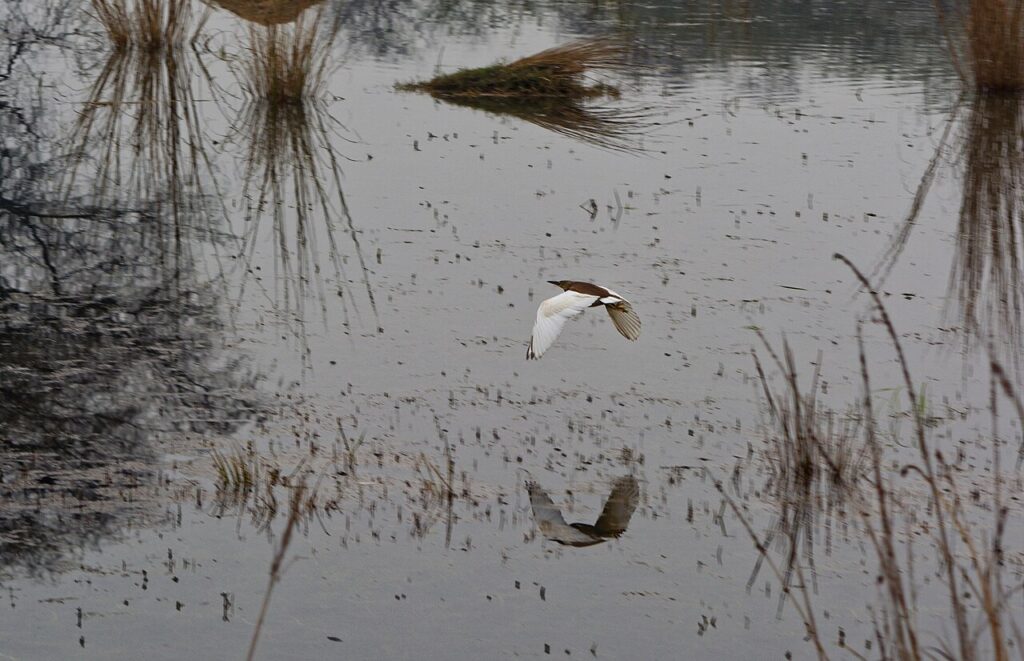
Okhla Bird Sanctuary sits at the Okhla barrage on the Yamuna, where the river enters Uttar Pradesh from Delhi. The UP government declared it a sanctuary in 1990, and it covers about 3.5 square kilometres.
More than 300 bird species have been recorded here, including painted storks, egrets, herons and, on occasion, threatened species such as the sarus crane. Its location near the Noida Metro line makes it one of the easiest birding spots for people living in Delhi NCR.
4. Surajpur Wetland, Greater Noida
Surajpur Wetland is a protected lake and grassland area in Greater Noida managed by the Uttar Pradesh Forest Department. In winter it fills with migratory ducks such as common teal, northern pintail and gadwall, along with resident waterbirds.
It is quieter than Okhla and has walking paths around the water, which makes it suitable for families and beginner birdwatchers.
5. Bhindawas Wildlife Sanctuary, Jhajjar
Bhindawas, about 105 km from Delhi in Haryana’s Jhajjar district, was declared a bird sanctuary in 2009. Like Sultanpur, it was named a Ramsar site in May 2021. It covers about 411 hectares around a large water body.
It sees fewer visitors than Sultanpur, so it suits birders who want a calmer outing. Plan a full day, as public transport options are limited.
6. Kalesar National Park, Yamunanagar
Kalesar, in the Shivalik foothills of Haryana’s Yamunanagar district, was notified as a national park in December 2003. It covers about 53 square kilometres of sal forest and is linked to Simbalbara National Park in Himachal Pradesh and close to Rajaji National Park in Uttarakhand.
Leopards, elephants, sambar and chital live here, along with red junglefowl and many forest birds. It is about 46 km from Yamunanagar city, so most people from Delhi make it a weekend trip rather than a day visit.
How to plan a day trip
For Sultanpur, Okhla and Surajpur, leave Delhi early so you reach by sunrise, when birds are most active and the light is soft. You can return by lunch. Asola Bhatti suits a morning walk followed by a visit to the education centre.
For Bhindawas, a car is the most practical option. For Kalesar, stay overnight in Yamunanagar or a nearby forest rest house, subject to availability and booking rules set by the Haryana Forest Department.
Tips before you go
- Best season: October to March is the main season for migratory birds. Summer mornings are possible, but midday heat makes walks hard.
- Timings and fees: Entry fees and gate timings are set by the Haryana, Delhi and UP forest departments and can change. Check the official department page or call ahead.
- What to carry: Binoculars, water, a cap and neutral-coloured clothes. Do not feed animals or play loud music.
Plan more weekend trips with our Travel section, and find outdoor and wellness ideas in Lifestyle.
Further reading: Sultanpur National Park, Surajpur Wetland, Okhla Bird Sanctuary.
Frequently asked questions
Which is the nearest national park to Delhi?
Sultanpur National Park in Gurugram district, Haryana, is the closest national park to Delhi.
Can you see leopards near Delhi?
Leopards live in Asola Bhatti Wildlife Sanctuary and Kalesar National Park, but they are shy and rarely seen by visitors.
What is the best time to visit bird sanctuaries near Delhi?
October to March, when migratory ducks, geese and waders arrive for the winter.
Which wetlands near Delhi are Ramsar sites?
Sultanpur National Park and Bhindawas Wildlife Sanctuary in Haryana were both designated Ramsar sites in May 2021.
Sources: Ramsar Sites Information Service: Sultanpur, Wikipedia: Asola Bhatti, Wikipedia: Kalesar National Park, Wikipedia: Okhla Sanctuary.