• About   |
  • Advertise |
  • Contact Us
No Result
View All Result
The Second Angle (TSA Magazine)
Advertise
  • Infotainment
    • Sports
    • People
    • Inspiring
  • Entertainment
    • Lifestyle
    • Home & Decoration
  • Buzz
  • Education
  • Travel
  • Finance
  • Healthcare
  • Technology
The Second Angle
No Result
View All Result
  • Infotainment
  • Entertainment
  • Buzz
  • Education
  • Travel
  • Finance
  • Healthcare
  • Technology
Advertisement Advertisement Advertisement
ADVERTISEMENT
Home Opinion

Securing rights of patients in India- Oxfam survey points to gross inequalities in accessing healthcare in India

The survey reveals discrimination based on religion and violation of several human rights in the health sector

by Dr. Pooja Tripathi
November 30, 2021
in Opinion
Reading Time: 3 mins read
Securing rights of patients in India- Oxfam survey points to gross inequalities in accessing healthcare in India
Share on FacebookShare on WhatsApp
Advertisement Advertisement Advertisement
ADVERTISEMENT
4 min readGAdd The Second Angle as a preferred source on Google
Key takeaways
The ongoing pandemic has revealed that the health systems are unprepared to cope with any significant health emergency and its unequal impact on the marginalised section.Oxfam India undertook two rapid surveys on Patient "s Rights Charter and COVID-19 vaccination through self-administered questionnaires, covering 28 states and 5 Union territories; as such, this bears the limitations...The surveys show that the fundamental rights of patients in India are being routinely denied in healthcare facilities for the poor and middle class alike.

The ongoing pandemic has revealed that the health systems are unprepared to cope with any significant health emergency and its unequal impact on the marginalised section. The rapid survey by Oxfam India demonstrates that the health status of a group of people is contingent upon the socio-economic position it holds. The trends of various health indicators across the socio-economic groups that the report has studied indicate that despite a considerable reduction in the gap between the privileged and the marginalised, inequality persists.
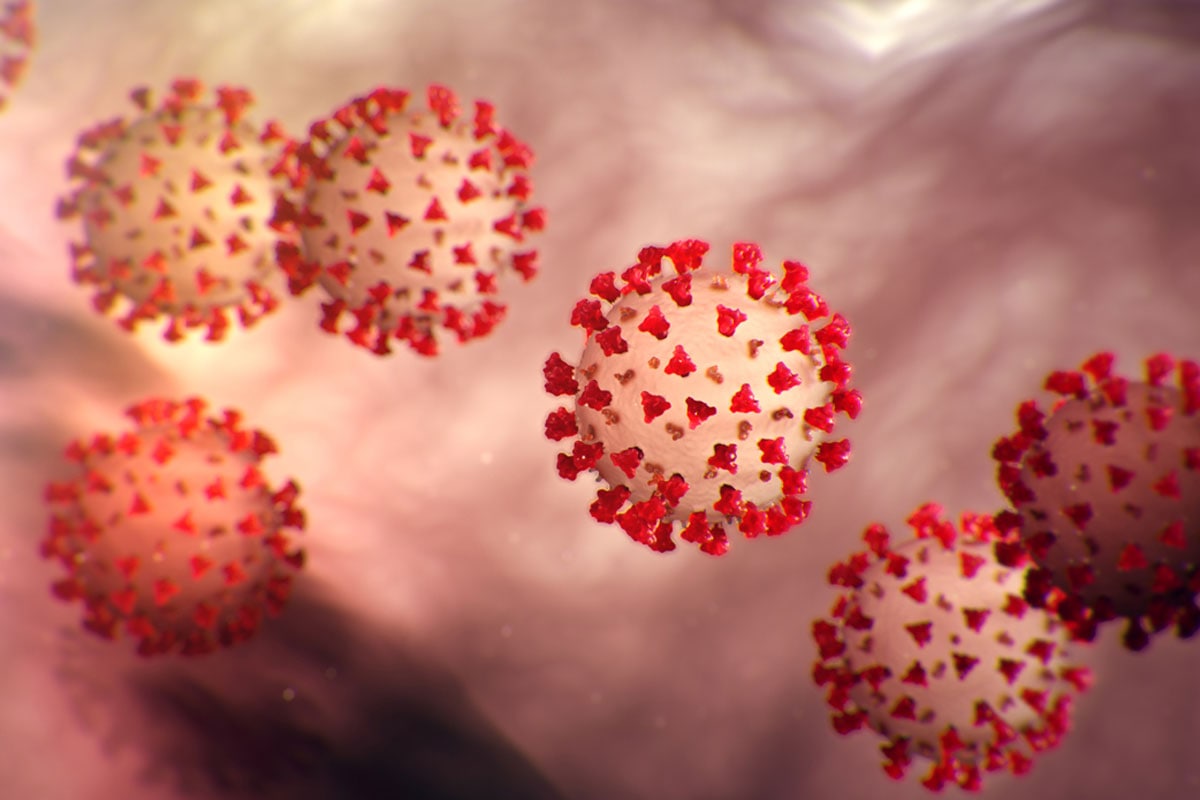
How did covid-19 affect you? Respond to this Oxfam India survey - Simplicity
Image Source-SimpliCity Coimbatore

Oxfam India undertook two rapid surveys on Patient “s Rights Charter and COVID-19 vaccination through self-administered questionnaires, covering 28 states and 5 Union territories; as such, this bears the limitations arising from it being a self-selected sample. The former was done between February and April 2021 and received 3890 responses, while the latter was done between August and September 2021, covering 10,955 respondents.

The surveys show that the fundamental rights of patients in India are being routinely denied in healthcare facilities for the poor and middle class alike. Skewed power dynamics concerning class, caste, religion, and gender between the healthcare providers and patients deepen existing structural inequalities in the healthcare system.

Know how the combination of media literacy and education in classrooms gives the students an insight into the ‘real world’.Also readKnow how the combination of media literacy and education in classrooms gives the students an insight into the ‘real world’.
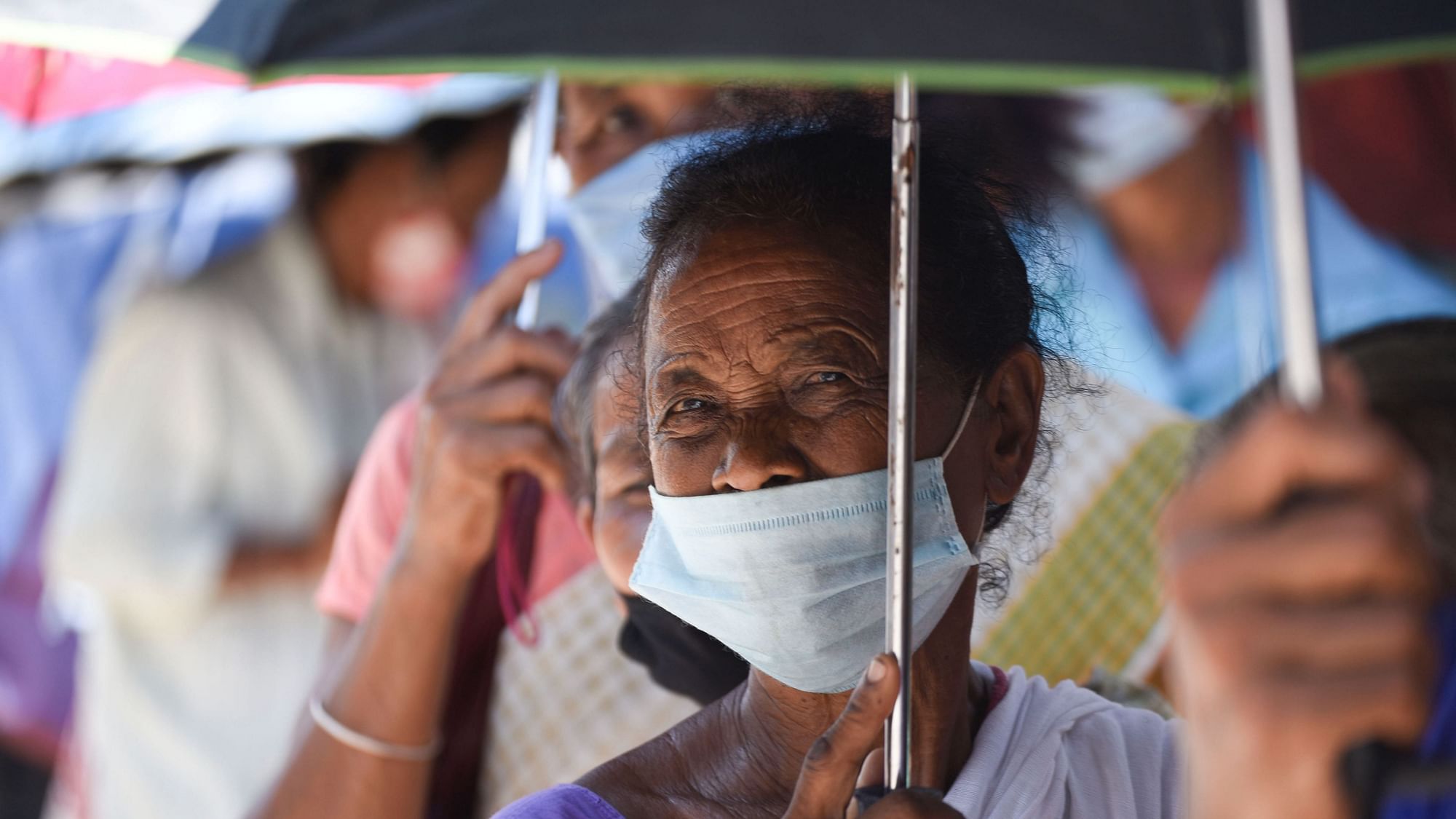
Low Govt Spending Worsened Health Inequalities in Covid: Oxfam Report
Image Source-The quint
Table of Contents
  • Some of the key findings include –

Some of the key findings include –

Right to Confidentiality, Human Dignity and Privacy: Over a third of women (35%) said that they had to undergo a physical examination by a male practitioner without another female present in the room.  

Right to Information: 74% of people said that the doctor wrote the prescription or treatment or asked them to get tests/investigations done without explaining their disease, nature and cause of illness. 

Right to Informed Consent: More than half of the respondents (57%) who were themselves/their relatives had been hospitalised did not receive any information about investigations and tests being done. 

Right to Second Opinion: At least a third of respondents who had themselves/their relatives hospitalised said their doctor did not allow a second opinion. 

Right to Non-Discrimination: A third of Muslim respondents and over 20% of Dalit and Adivasi respondents reported feeling discriminated against based on their religion or caste in a hospital/by a healthcare professional. 

Right to Choose Source of Obtaining Medicine or Test: 8 in 10 respondents were asked only to get tests/diagnostics from one place. 

Right to Transparency in Rates and Care According to Prescribed Rates: 58% of those who had themselves/their relatives hospitalised said that they didn’t get an estimated cost of treatment/procedure before treatment/procedure began. Three in every ten people surveyed reported not getting access to case papers, patient records, investigation reports for treatment/procedure by the hospital even after requesting the same. 

Right to Take Discharge of Patient or Receive Body of Deceased from the Hospital: 19% of respondents who ere kins of the patients said the hospital denied the release of the dead body on time. 

In June 2019, the Union Health ministry wrote to all states to notify and implement the charter of patient’s rights, but both the surveys point to the gross violation of these rights.

COVID-19 exposes our public health system | Deccan Herald
Image Source-Deccan Herald

 The critical factor that is the social and economic inequalities in the society is not given due importance when it comes to policy. However, addressing them is crucial to achieving health equality. Instead, India’s healthcare sector saw an increase in private healthcare providers, whereas public healthcare dwindled. Moreover, the government’s investment in public healthcare has only been towards providing secondary and tertiary care. Therefore, primary health care remains underfunded, which the health community has accepted as the cornerstone for an equitable health system. The quality of care and available facilities stay below the threshold, which should be the primary focus of correction. 

There need to be robust grievance redressal systems at the PHC level so that our healthcare becomes responsive to the individual needs and contexts, and regulations related to non-discrimination should be enforced. Robust public healthcare stands on the pillars of inclusivity, and access to healthcare is a fundamental right beyond the compartments of caste, creed, religion, and socio-economic status. The government should be committed to ensuring the same.

 

Also Read:  Know how the combination of media literacy and education in classrooms gives the students an insight into the ‘real world’.

Enjoyed this story?Share it with your friends
WhatsAppLinkedInXFacebookEmail
See more TSA Mag stories on GoogleAdd us as a preferred source and our stories will show up more often in your Top Stories.
GAdd The Second Angle as a preferred source on Google
ShareSend
Tweet
Previous Post

Ballon d’Or 2021: Lionel Messi takes home a record-breaking seventh prize

Next Post

Pandora Papers: Modern-day colonialism.

Related Posts

Are we any closer to gender equality even after 75 years of independence?
Opinion

Gender Equality in India After 79 Years of Independence: The Data

How close is India to gender equality after 79 years of independence? Latest WEF ranking, NCRB crime data, new laws...

Read moreDetails
Is AMU a Secular University? Minority Status Explained
Opinion

Is AMU a Secular University? Minority Status Explained

Is AMU a secular university? What the AMU Act says on admissions, the history of its minority status case and...

Read moreDetails
LGBTQIA+ in Afghanistan
World News

LGBTQIA+ in Afghanistan: Life Under Taliban Rule in 2026

LGBTQIA+ in Afghanistan: the law before 2021, abuses reported under the Taliban, and the July 2025 ICC arrest warrants that...

Read moreDetails
chinese
Opinion

Boycott Chinese Products: What Changed in India Since 2020

Did the call to boycott Chinese products after Galwan work? A look at app bans, investment rules, phone sales and...

Read moreDetails
Uttarakhand to take inspiration from The U.P’s Population Control Bill
Opinion

Uttarakhand Population Control Bill: Status In 2026 Explained

Uttarakhand population control bill explained: what the state proposed in 2021, the UP draft it studied, criticism, and where the...

Read moreDetails
Journalism or Joke? Worst Phase of Indian Media
Featured

Journalism or Joke? Worst Phase of Indian Media

To put it in a few words, it wont be an exaggeration to say this is the ‘worst phase of...

Read moreDetails
Load More
Next Post
Pandora Papers: Modern-day colonialism.

Pandora Papers: Modern-day colonialism.

About

The Second Angle

The Second Angle (TSA Mag) is an infotainment and lifestyle magazine covering entertainment, travel, technology, health, education and finance.

Important Links

  • About The Second Angle
  • Advertise With Us
  • Editorial Policy
  • Privacy Policy
  • Terms and Conditions
  • Contact Us
  • Careers
  • Newsletter

Explore

  • Infotainment
  • Entertainment
  • Buzz
  • Education
  • Travel
  • Finance
  • Healthcare
  • Technology
Advertise with us

© 2017-2026. The Second Angle. All Rights Reserved. Developed and Managed by Squarebase.io

Welcome Back!

Login to your account below

Forgotten Password?

Retrieve your password

Please enter your username or email address to reset your password.

Log In
No Result
View All Result
  • Infotainment
    • Sports
    • People
    • Inspiring
  • Entertainment
    • Lifestyle
    • Home & Decoration
  • Buzz
  • Education
  • Travel
  • Finance
  • Healthcare
  • Technology

© 2017-2026. The Second Angle. All Rights Reserved. Developed and Managed by Squarebase.io

We use cookies to keep TSA fast and relevant. Read our Privacy Policy.