


Human-animal marriage in India refers to symbolic rituals in which a person is “married” to a dog, a tree or another object to remove a believed curse or bad omen. A related custom marries two frogs to pray for rain. These ceremonies have no legal value and are rooted in local belief, not law.
Such rituals make headlines every few years, usually as oddities. This explainer sets out what has actually been reported, the beliefs behind these customs, and why they continue in some places despite rising education and awareness.
What is a human-animal marriage ritual
In most reported cases, the ceremony looks like a small wedding. There is a priest or elder, garlands, a feast and sometimes music. The animal does not live with the person afterwards, and the “marriage” carries no rights or duties. The aim is to transfer bad luck away from the person.
 Also readThane Period Room: What It Is and Why It Matters for Women
The practice is limited to certain communities and regions. Most Indians have never seen one, and many religious and community leaders discourage them.
Reported cases from different states
Jharkhand: the tooth belief
Among some tribal communities in Jharkhand, a child whose first tooth appears in the upper gum is considered to bring bad luck. In 2008, the German news agency dpa reported that a seven-year-old girl in a village near Jamshedpur was married to a stray dog during a local festival, on the advice of elders. The report said several similar ceremonies had been held during the same festival.
Tamil Nadu: atonement
In November 2007, international news outlets, citing local media, reported that a 34-year-old farm worker in Tamil Nadu married a female dog. He believed that killing two dogs years earlier had brought a curse on him, and a local astrologer told him this ritual would lift it.
Manglik dosha and tree marriage
In parts of north and west India, some families follow a belief called Manglik or Mangal dosha, linked to the position of Mars in a horoscope. It is said to bring misfortune to a spouse. To “remove” it, a ritual called Kumbh Vivah is sometimes performed, in which the person is first married to a peepal or banana tree, a clay pot or an idol, before the actual wedding.
Frog weddings for rain
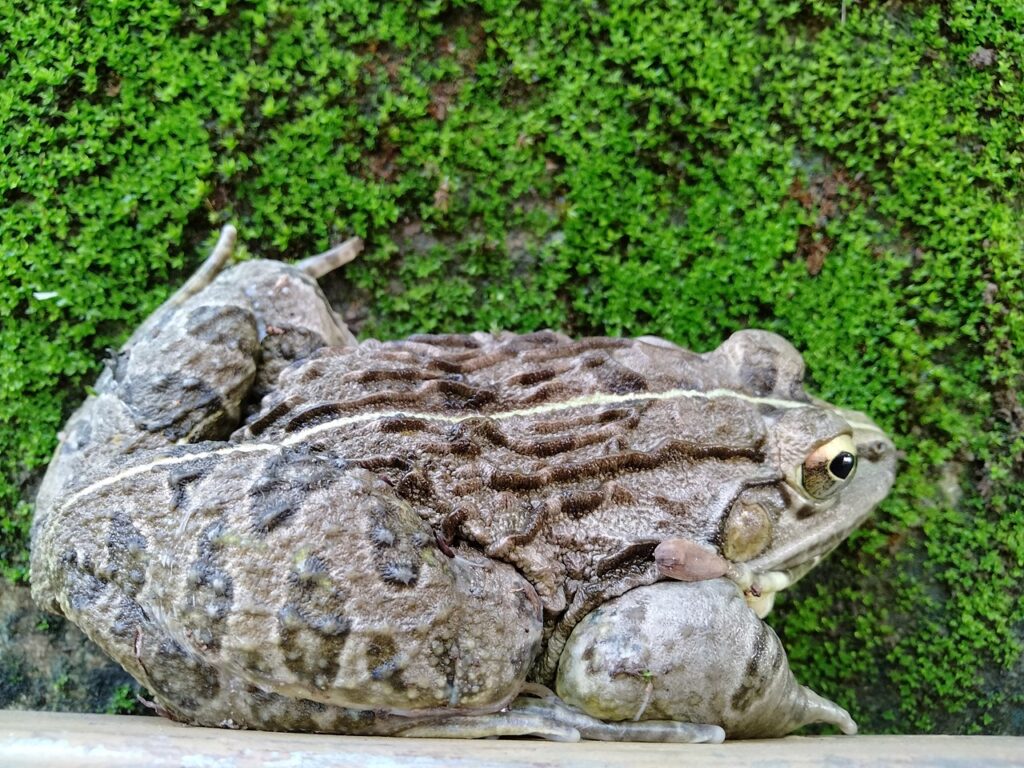
The most common animal wedding in India does not involve humans at all. In Assam, the custom is called Bhekuli Biya, and two frogs are married in dry summer months to please the rain god. Similar rituals are reported from Karnataka, where it is called Mandooka Parinaya or Mandooka Kalyanotsava, and from Madhya Pradesh.
In June 2019, two local groups in Udupi, Karnataka, held a frog wedding as the district faced a water shortage. In July 2019, a group in Bhopal married two clay frogs to pray for rain. After heavy flooding that September, the same group held a symbolic “divorce” to stop the rain, as reported by Deccan Herald and NDTV.
Quick facts
| Ritual | Where reported | Stated purpose |
|---|---|---|
| Child married to a dog | Tribal villages in Jharkhand | Remove bad omen from upper-gum tooth |
| Man married to a dog | Tamil Nadu (2007) | Atone for killing dogs |
| Kumbh Vivah (tree or pot) | Parts of north and west India | Remove Manglik dosha |
| Frog wedding | Assam, Karnataka, Madhya Pradesh | Bring rain |
Animal brides and grooms in folklore
Stories of people marrying animals appear in folk traditions around the world. A Chinese legend about the origin of silk tells of a girl promised in marriage to a horse. Several Native American tribes have tales of a woman who marries a dog. European fairy tales, such as Beauty and the Beast and The Frog Prince, use the same idea of an animal partner.
Folklorists treat these as symbolic stories about family, duty and transformation. They are a different matter from the rituals described above, which are performed on real people and animals.
What the law says
Under the Hindu Marriage Act, 1955, a valid marriage is between two persons who meet conditions such as age and consent. A ritual with an animal or tree creates no legal marriage, and it does not affect a person’s later legal marriage. Other personal laws in India also recognise marriage only between people.
Animals are protected by the Prevention of Cruelty to Animals Act, 1960, so any ceremony that harms an animal can attract action. Maharashtra (2013) and Karnataka (2017) have passed laws against certain harmful superstitious practices, though the scope of each law differs and not every ritual is covered.
The human cost
Critics of these customs say that rituals involving children can lead to teasing and stigma as they grow up, and that women labelled Manglik can face delays or rejection in marriage talks. Rationalist groups, such as those inspired by the late Narendra Dabholkar in Maharashtra, have long campaigned against such beliefs through awareness drives.
These customs are slowly fading as education spreads, but they have not disappeared. Read more on Indian customs and social issues in our infotainment and buzz sections.
Frequently asked questions
Is human-animal marriage legal in India?
No. Indian marriage laws recognise marriage only between people. A ritual with an animal or tree has no legal effect.
Why are frogs married in India?
Frog weddings are held in Assam, Karnataka and Madhya Pradesh in the belief that they please the rain god and end dry spells.
What is Kumbh Vivah?
It is a ritual in which a person believed to have Manglik dosha is symbolically married to a tree, pot or idol before the real wedding.
Are these rituals common?
No. They are limited to certain communities and regions, and are reported in the news because they are unusual.
Sources: Bhekuli Biya, Wikipedia, Deccan Herald, Onmanorama, News24 (dpa report).