

• About   |
  • Advertise |
  • Contact Us
No Result
View All Result
The Second Angle (TSA Magazine)
Advertise
  • Infotainment
    • Sports
    • People
    • Inspiring
  • Entertainment
    • Lifestyle
    • Home & Decoration
  • Buzz
  • Education
  • Travel
  • Finance
  • Healthcare
  • Technology
The Second Angle
No Result
View All Result
  • Infotainment
  • Entertainment
  • Buzz
  • Education
  • Travel
  • Finance
  • Healthcare
  • Technology
Advertisement Advertisement Advertisement
ADVERTISEMENT
Home Culture

From living in Treehouse to being Non-Patriotic: Top 8 myths about NorthEast Indians and its facts.

The prejudice against northeast Indians has turned into a serious issue, and they become a frequent target of these myths.

by Sakshi Gupta
April 26, 2022
in Culture
Reading Time: 4 mins read
From living in Treehouse to being Non-Patriotic: Top 8 myths about NorthEast Indians and its facts.
Share on FacebookShare on WhatsApp
Advertisement Advertisement Advertisement
ADVERTISEMENT
6 min readGAdd The Second Angle as a preferred source on Google
Key takeaways
North East Indians are very modern and western-: The British had set up a religious centre in North East India when they ruled over India.Militants frequently target northeast Indians-: The common question about North East India searched on the internet has been 'Is North East India safe'?North East Indians eat snakes and bats-: NE Indians are often confused with Chinese citizens.Northeast Indians are Non-Patriotic-: North-East Indian states form a long path of Indo-Chinese Border.Chinese cuisine is their staple food-: Another common myth about Northeast India is that Chinese cuisine is their staple food.North Indians live in treehouses-: There is a myth about North East Indians that they live in a treehouse.Plus 2 more in the story below.

The North East Region of India, situated in the corner of the country at the foothills of the Himalayas, is an underrated and often ignored part of the country. The region and its people have been long misunderstood by people in other parts of the country and the world. The distinct physical appearance, food choices, unique culture, and diversity has added to the curiosity and mystery around North East Indians. 

The curiosity and unknowingness around North East Indians have given rise to severe discrimination against them. A big reason for this discrimination is the myths about North Indians that are an outcome of half-knowledge, neglect of the education system, and degradation in values among people who create false misconceptions against them. The frequency of this discrimination has become a very awful experience for NE Indians.

Table of Contents
  • So, let us tell you about the top 8 myths about NE Indians and the facts behind them.
    • 1. North East Indians are very modern and western-
    • 2. Militants frequently target northeast Indians-
    • 3. North East Indians eat snakes and bats-
    • 4. Northeast Indians are Non-Patriotic-
    • 5. Chinese cuisine is their staple food-
    • 6. North Indians live in treehouses-
    • 7. Hindus are less in North East India-
    • 8. North East India is a remote place with bad transportation-

So, let us tell you about the top 8 myths about NE Indians and the facts behind them.

1. North East Indians are very modern and western–

  The British had set up a religious centre in North East India when they ruled over India. They even built many churches in the place. So, they left an impact on the natives and the people have a modern influence on their lifestyle. Despite it, NE Indians devotedly follow their unique and traditional culture, representing the diversity of India. 
World Cashew day: Know how India can become Aatmanirbhar in Cashew ProductionAlso readWorld Cashew day: Know how India can become Aatmanirbhar in Cashew Production

2. Militants frequently target northeast Indians–

The common question about North East India searched on the internet has been ‘Is North East India safe’? People believe that militants are common in Northeast India, and they frequently attack the natives and travellers. But, this is not true. The situation was a little sensitive in the 70s and 90s. But, at present, North India is a safe and peaceful place to travel. The military has ensured that the place is safe, and it has tactfully handled the militants. There are a few isolated areas under the high security of the military. Additionally, the government is in constant talks and negotiations with the militants. 

3. North East Indians eat snakes and bats–

NE Indians are often confused with Chinese citizens. So, when the Covid-19 pandemic struck, there was widespread information that the pandemic originated from eating bats and other live animals. Many people have formed the myth that the NE Indians are bat and snake eaters. They were even isolated and shunned in various parts of the country. But, this is not true. The majority of the North East Indians do not consume bats, and there is no market or food joint selling bats or other live animals as food.  

4. Northeast Indians are Non-Patriotic–

North-East Indian states form a long path of Indo-Chinese Border. China often tries to intrigue the region and North East India that has a great strategic significance in the Region. There is a constant myth that North East Indians are Non-Patriotic, and they support China. But, this is a very wrong myth.  The people of North East India consider themselves to be an integral part of the country, and many natives of the region have served the nation in the post Independence wars. Furthermore,  there are a decent number of soldiers and government officers coming from the region. 

5. Chinese cuisine is their staple food–

Another common myth about Northeast India is that Chinese cuisine is their staple food. Many NE Indians are teased over their staple Chinese cuisine. You might hear people asking them, “Do you have noodles every day”? But, this is wrong. Northeast Indian states have numerous kinds of tribes and communities, and each of them has its unique traditional cuisine. Chinese cuisine is not the staple diet of North-East Indian people. Only a handful of items are common between Chinese and NE cuisine due to geographical proximity. 

6. North Indians live in treehouses–

There is a myth about North East Indians that they live in a treehouse. The reason for these myths is documentaries on tribals. Also, several tribal villages in Africa have Treehouses for tourists to stay in a unique, local place. But, NE Indians do not live in Treehouses. There are no such treehouses that you will find on your trip to the NE. 

7. Hindus are less in North East India–

A common misconception about the religion of North Indians is that they are Christians. In reality, only 3 of the 8 states in NE have a predominantly Christian population. They are Nagaland, Meghalaya, and Mizoram. Assam, Tripura, and Manipur have Hindu Majority. Hinduism is the most followed religion in the place  

8. North East India is a remote place with bad transportation–

North East India is often less talked about in case of development and infrastructure.  People feel that just like the 60s and 70s, North East India is a difficult place to access with remote landscapes. In reality, North East India has good connectivity from the air, rail, and roadways. 
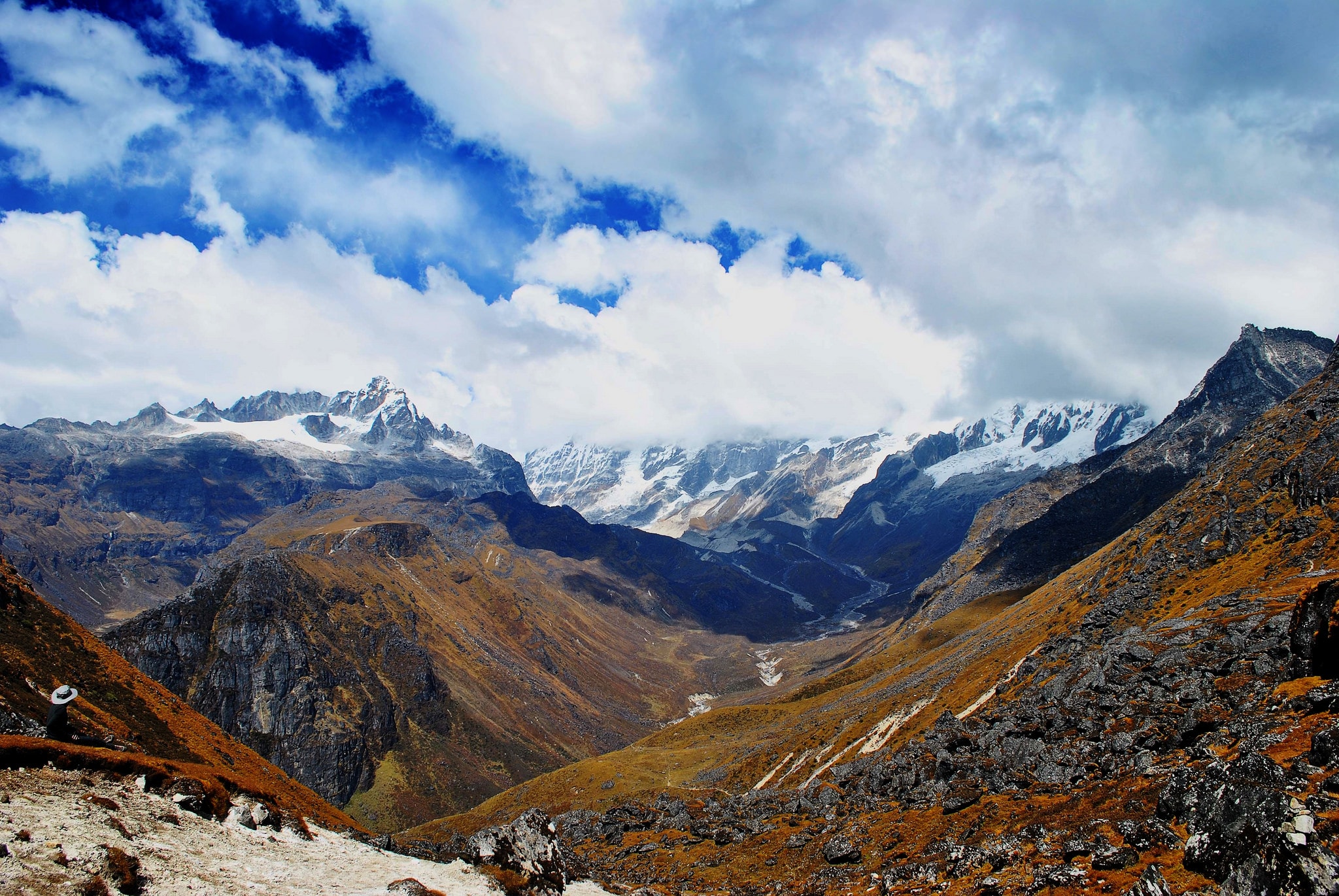
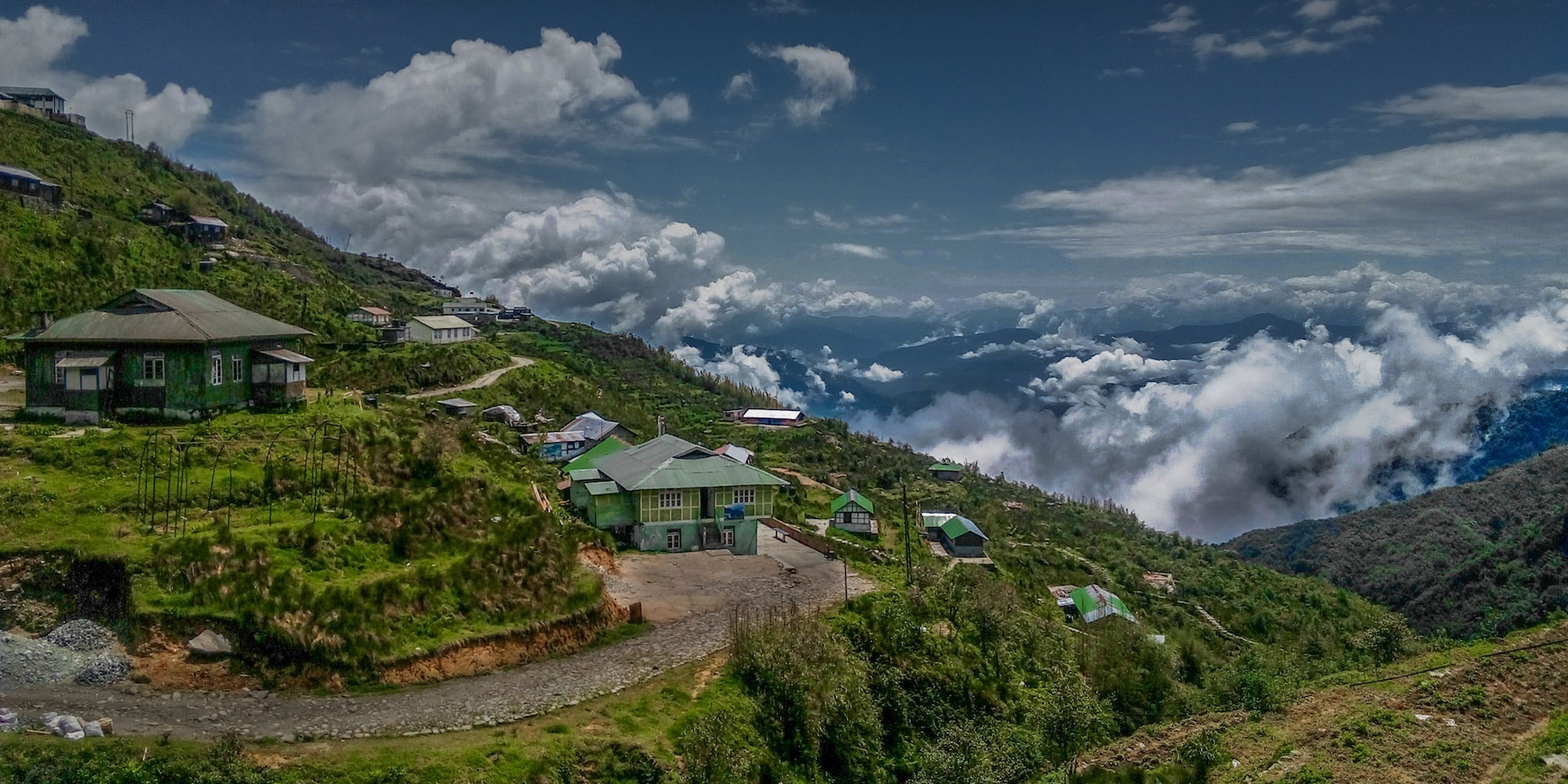
From living in Treehouse to being Non-Patriotic: Top 8 myths about NorthEast Indians and its facts
Image Source: culturetrip

These are some of the many myths that people have about North East Indians. People feel they are shy and very soft. This can be true for some but not for all. People also think that North Indians cannot speak Hindi. But, you will find many Hindi-speaking natives in North East India. 

We have presented the facts behind some of the common myths about North East Indians. In reality, North East India is a very beautiful place with breathtaking natural landscapes. It has a diverse culture and unique traditions that form the identity of the North East Indias. But, the myths against them have been troublesome for them. It is important to get rid of these myths and treat them equally without any discrimination. 


Also Read:  World Cashew day: Know how India can become Aatmanirbhar in Cashew Production
Enjoyed this story?Share it with your friends
WhatsAppLinkedInXFacebookEmail
See more TSA Mag stories on GoogleAdd us as a preferred source and our stories will show up more often in your Top Stories.
GAdd The Second Angle as a preferred source on Google
ShareSend
Tweet
Previous Post

The United States has announced a diplomatic boycott of the Beijing Winter Olympics

Next Post

Katrina and Vickys’ wedding: An escape from the chaos

Related Posts

Carved stone levels of Rani ki Vav stepwell in Patan, Gujarat
Editors' Pick

Stepwells of India: History, Famous Baolis and How to Visit

A guide to the stepwells of India: how baolis worked, their history, and key facts on Rani ki Vav, Chand...

Read moreDetails
Handloom weaving, one of India's GI-tagged crafts
Editors' Pick

GI-Tagged Sarees of India: How to Identify 8 Handloom Classics

A guide to GI-tagged sarees of India, from Kanchipuram and Banarasi to Paithani and Patola, with simple checks to tell...

Read moreDetails
Human-animal Marriage: “One of the Creepiest and Bizarre traditions of India”
Culture

Human-Animal Marriage in India: Rituals, Beliefs and the Law

Human-animal marriage in India explained: the dog, tree and frog wedding rituals reported from different states, the beliefs behind them...

Read moreDetails
Thane Period Room: What It Is and Why It Matters for Women
Culture

Thane Period Room: What It Is and Why It Matters for Women

The Thane period room, built in a slum toilet in 2021 for Rs 45,000, gave women a safe place to...

Read moreDetails
A Bharatanatyam dancer in performance
Culture

Indian Classical Dance Forms: A Beginner’s Guide to All Eight

From Bharatanatyam to Sattriya, India has eight recognised classical dance forms. Here is where each comes from and what makes...

Read moreDetails
6 Best Places To Visit In India During the Month Of Ramzan
Culture

6 Best Places To Visit In India During the Month Of Ramzan

Ramadan, the Muslim holy month, has begun, and Muslims worldwide are fasting from dawn to sunset. Let's take a look...

Read moreDetails
Load More
Next Post
Katrina and Vickys’ wedding: An escape from the chaos

Katrina and Vickys’ wedding: An escape from the chaos

About

The Second Angle

The Second Angle (TSA Mag) is an infotainment and lifestyle magazine covering entertainment, travel, technology, health, education and finance.

Important Links

  • About The Second Angle
  • Advertise With Us
  • Editorial Policy
  • Privacy Policy
  • Terms and Conditions
  • Contact Us
  • Careers
  • Newsletter

Explore

  • Infotainment
  • Entertainment
  • Buzz
  • Education
  • Travel
  • Finance
  • Healthcare
  • Technology
Advertise with us

© 2017-2026. The Second Angle. All Rights Reserved. Developed and Managed by Squarebase.io

Welcome Back!

Login to your account below

Forgotten Password?

Retrieve your password

Please enter your username or email address to reset your password.

Log In
No Result
View All Result
  • Infotainment
    • Sports
    • People
    • Inspiring
  • Entertainment
    • Lifestyle
    • Home & Decoration
  • Buzz
  • Education
  • Travel
  • Finance
  • Healthcare
  • Technology

© 2017-2026. The Second Angle. All Rights Reserved. Developed and Managed by Squarebase.io

We use cookies to keep TSA fast and relevant. Read our Privacy Policy.