
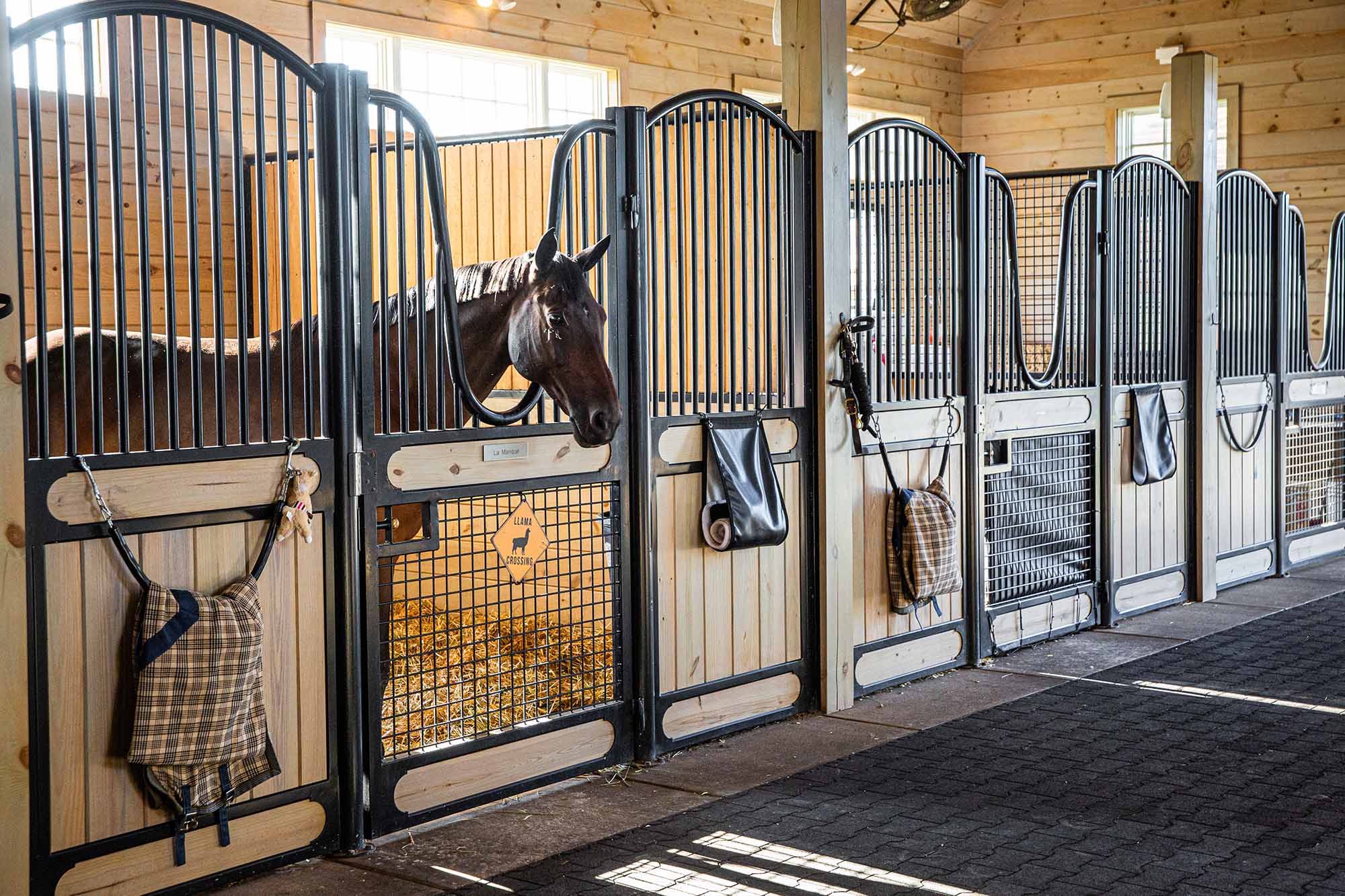

The most luxurious horse stables in the world include the Great Stables of Chantilly and the Royal Stables of Versailles in France, Vienna’s Stallburg, London’s Royal Mews, the Royal Stables at Christiansborg in Copenhagen and China’s Heilan Equestrian Club. Many were built for kings and emperors, and several are now open to the public.
A stable can be a working farm building, but some were designed to impress as much as to house horses. Below are 10 well-known stables, from royal complexes with centuries of history to private estates built for modern equestrian sport. Facts have been checked against official and reliable sources as of October 2026.
- Quick facts at a glance
- 1. Great Stables of Chantilly, France
- 2. Royal Stables of Versailles, France
- 3. Stallburg, Vienna, Austria
- 4. Royal Mews, London, United Kingdom
- 5. Royal Stables at Christiansborg, Copenhagen, Denmark
- 6. Kladruby nad Labem Stud, Czech Republic
- 7. Heilan Equestrian Club, Jiangsu, China
- 8. Selman Marrakech, Morocco
- 9. Hummingbird Nest Ranch, California, United States
- 10. Hassler Dressage at Riveredge, Maryland, United States
- What makes a stable luxurious
- Frequently asked questions
Quick facts at a glance
| Stable | Country | Known for |
|---|---|---|
| Great Stables of Chantilly | France | 18th century building, horse museum |
| Royal Stables of Versailles | France | Royal history, equestrian academy |
| Stallburg | Austria | Lipizzaner stallions since the 16th century |
| Royal Mews | United Kingdom | Working royal stable, state coaches |
| Christiansborg Royal Stables | Denmark | Baroque stables, gold carriage |
| Heilan Equestrian Club | China | Marble floors, horse culture museum |
1. Great Stables of Chantilly, France
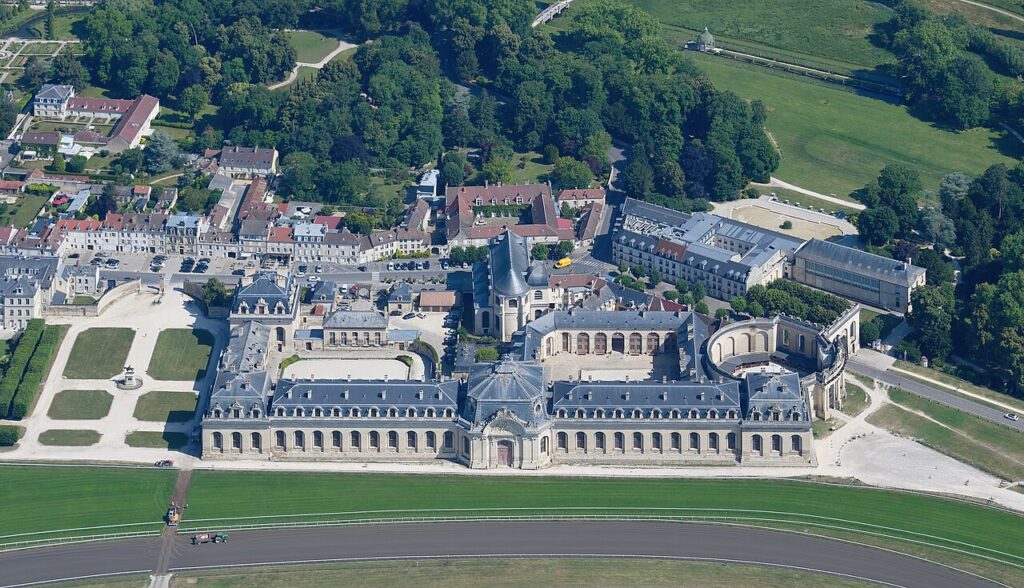
The Grandes Écuries at the Château de Chantilly, north of Paris, were built from 1719 for Louis Henri, Duke of Bourbon, to a design by architect Jean Aubert. The building is about 186 metres long and could hold 240 horses and up to 500 hounds.
 Also read7 Best Beaches in Miami: From South Beach to Cape Florida
Since 1982 it has housed the Living Museum of the Horse, which keeps around 30 horses of different breeds and holds daily dressage demonstrations. It is one of the most visited horse attractions in Europe.
2. Royal Stables of Versailles, France
The Grande Écurie and Petite Écurie face the Palace of Versailles and were completed in the late 17th century under Louis XIV. According to Olympics.com, the royal stables held about 400 horses in 1680 and more than 2,200 by 1787.
Today the Grande Écurie is home to the Académie Équestre de Versailles, set up in 2003 by the horseman Bartabas, and a gallery of royal coaches. Versailles also hosted the equestrian events of the Paris 2024 Olympics.
3. Stallburg, Vienna, Austria
The Stallburg, built in 1565, is described by the Spanish Riding School as Vienna’s oldest and most important Renaissance building. It was the imperial stable and still houses up to 71 white Lipizzaner stallions.
The horses perform next door in the Winter Riding School, a Baroque hall completed in the 1730s inside the Hofburg Palace. Visitors can watch performances and morning training, or take a guided tour.
4. Royal Mews, London, United Kingdom
The Royal Mews at Buckingham Palace is one of the finest working stables still in use, according to the Royal Collection Trust. It keeps two breeds: Windsor Greys, which pull carriages carrying the monarch, and Cleveland Bays, which collect ambassadors and do day-to-day work.
The Gold State Coach, used at every coronation since William IV, is kept here along with the Diamond Jubilee State Coach. Visitors can join guided tours of the stables and coach houses. If you are planning a trip, our travel section has more ideas for London and Europe.
5. Royal Stables at Christiansborg, Copenhagen, Denmark
The present stables at Christiansborg Palace were built between 1738 and 1745 and opened in 1746. The stable wings and riding ground are among the few parts of the old Baroque palace that survived later fires.
At its peak in 1789 the complex held about 270 horses. Today it keeps around 20, mostly Kladruber and Danish Warmblood horses. Visitors can also see royal carriages, including a gold coach from 1840, in the small museum.
6. Kladruby nad Labem Stud, Czech Republic
The Imperial Stud Farm at Kladruby nad Labem received its charter as the Habsburg court stud in 1579. It breeds Kladruber horses, a Baroque carriage breed once used in ceremonies at the imperial court.
UNESCO added the site to its World Heritage List in 2019 for its fields, pastures and stud buildings shaped around horse breeding. Kladrubers bred here still pull ceremonial carriages, including in Denmark.
7. Heilan Equestrian Club, Jiangsu, China
The Heilan Equestrian Club in Xinqiao, about an hour’s drive from Shanghai, drew global attention for its stables with marble floors and chandeliers inside a horse culture museum. Reports say it holds more than 400 horses of over 50 breeds bought from about 30 countries.
The club also runs a resort hotel and stages large dressage shows. It is one of the clearest examples of the growth of high-end equestrian sport in China.
8. Selman Marrakech, Morocco
Selman Marrakech is a luxury hotel with its own stable of Arabian horses, run by the Bennani Smires family under the Selman Arabians name. The interiors and stables were designed by French decorator Jacques Garcia.
Guests can watch the horses and book riding sessions for different levels, from beginners to experienced riders. It is a rare example of a hotel built around a private Arabian breeding programme.
9. Hummingbird Nest Ranch, California, United States
Hummingbird Nest Ranch in Simi Valley is a 124-acre private estate with a Spanish Colonial style villa, a barn of about 20,000 square feet with heated stalls, three show rings and a polo field. It is owned by businessman Kieu Hoang.
The ranch is often rented for events and filming and has appeared in reality shows such as The Bachelorette. In 2026 it was reported to be listed for sale at 78 million US dollars.
10. Hassler Dressage at Riveredge, Maryland, United States
Hassler Dressage, run by Scott and Susanne Hassler, moved to Riveredge in Chesapeake City, Maryland, in 2007. The property, a former Thoroughbred breeding farm of about 600 acres, was developed as a training base with barns and arenas.
It is known for training young dressage horses and riders and has hosted national development clinics. For more on sport and leisure, see our lifestyle stories.
What makes a stable luxurious
The grandest stables share a few features: large, airy stalls, good drainage, quality flooring, indoor riding halls and on-site vets and grooms. Historic royal stables add architecture, carriage collections and ceremonial roles that few modern buildings can match.
For travellers, the royal stables in Europe are the easiest to visit, since most sell tickets and run guided tours. Private estates in the United States and China are usually open only to members, guests or by invitation.
Further reading: The Grand Stables of Chantilly.
Frequently asked questions
Which is the most famous horse stable in the world?
The Great Stables of Chantilly and the Royal Stables of Versailles in France are among the most famous, along with Vienna’s Stallburg, home of the Spanish Riding School’s Lipizzaners.
Can tourists visit royal horse stables?
Yes. Chantilly, Versailles, the Spanish Riding School in Vienna, the Royal Mews in London and the Christiansborg stables in Copenhagen all welcome visitors, though timings change by season.
How many horses lived at Versailles?
According to Olympics.com, the royal stables held about 400 horses in 1680 and more than 2,200 by 1787.
Which horses are kept at the Royal Mews in London?
The Royal Mews keeps Windsor Greys and Cleveland Bays, which pull royal and state carriages on official occasions.
Sources: Living Museum of the Horse (Wikipedia), Spanish Riding School, Royal Collection Trust, UNESCO World Heritage Centre.