

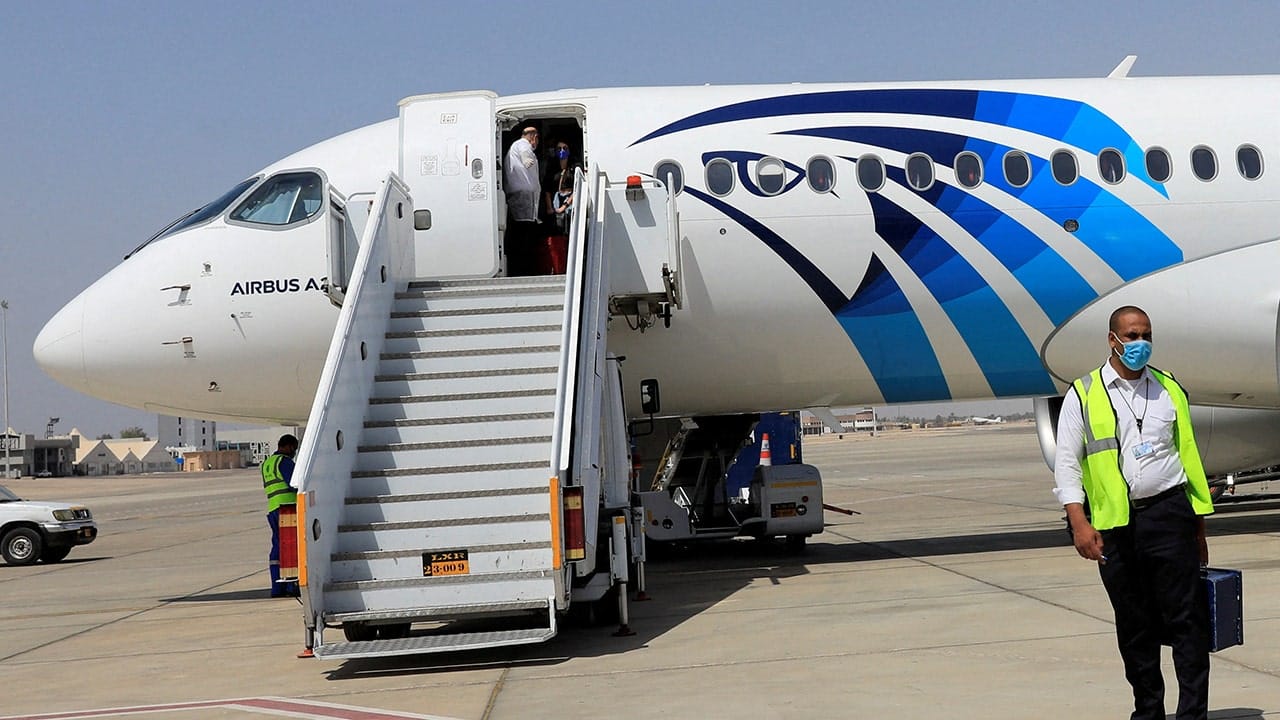

Egypt asked its airlines to avoid Iranian airspace for three hours, from 0100 to 0400 GMT on Thursday, 8 August 2024. The order came through a NOTAM issued on 7 August, after Iran told Egyptian authorities about military exercises over its territory. It came during high Israel-Iran tension, and Iranian airspace has been disrupted several times since.
This explainer, updated for 2026, covers what Egypt’s notice said, why it drew attention, what happened next, and why airlines, including Indian carriers, still route around Iran.
Quick facts: Egypt’s order to avoid Iranian airspace
| Point | Detail |
|---|---|
| Issued | Wednesday, 7 August 2024 |
| Window | 0100 to 0400 GMT, Thursday, 8 August 2024 |
| Applied to | All Egyptian carriers |
| Area | Tehran Flight Information Region (Iranian airspace) |
| Reason given | Flight safety, after Iran notified military exercises on 7 and 8 August |
What Egypt’s notice said
A NOTAM, short for Notice to Air Missions, is a safety alert sent to pilots and airlines about hazards along a route. Egypt’s notice told all Egyptian carriers to avoid overflying the Tehran Flight Information Region, which is the block of airspace managed by Iran, for three hours.
 Also readWhatsApp, Telegram and Signal: Which Is Safer to Use in 2026?
The notice itself gave no reason. Egypt’s civil aviation ministry later said the step was taken to reduce flight safety risks, following a notification from Iranian authorities about military exercises in Iranian airspace on 7 and 8 August.
Why the notice drew attention
The order came about a week after Hamas political leader Ismail Haniyeh was killed in Tehran on 31 July 2024, hours after Israel announced it had killed senior Hezbollah commander Fuad Shukr in Beirut. Haniyeh had been in Tehran for the inauguration of President Masoud Pezeshkian. Iranian leaders vowed to retaliate against Israel, and the region was bracing for an attack.
OPSGROUP, an organisation that shares flight-risk information with airlines, described Egypt’s notice as very unusual. It said the notice could be a sign of an Iranian response against Israel that might disrupt airspace more widely, while noting that other explanations were possible.
How other countries and airlines reacted
- Jordan asked airlines landing at its airports to carry 45 minutes of extra fuel, so they could divert if needed.
- Several airlines, including Air India, Lufthansa, Delta, United and FlyDubai, suspended flights to Israel in this period.
- NOTAMs were broadcast in Iranian and Lebanese airspace on 8 August, and GPS signal jamming was reported over the region.
What happened after August 2024
October 2024: Iran’s missile attack on Israel
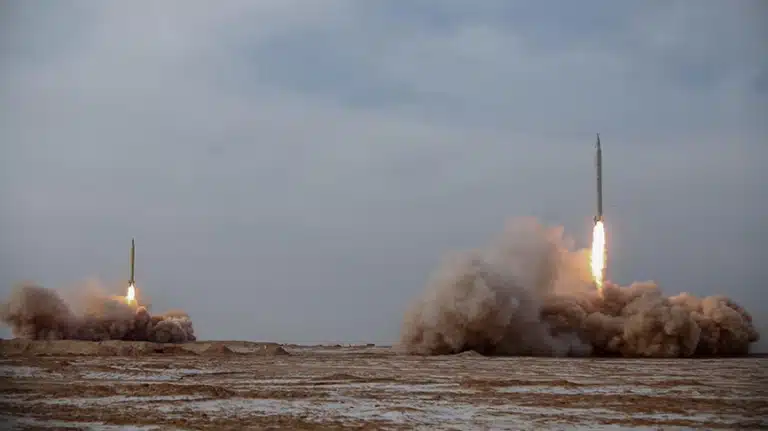
Iran did not strike in August. On 1 October 2024, it launched about 200 ballistic missiles at Israel, citing the killings of Haniyeh, Hezbollah leader Hassan Nasrallah and an Iranian general.
June 2025: the Twelve-Day War
From 13 to 24 June 2025, Israel and Iran fought what became known as the Twelve-Day War. Israel shut its airspace and suspended flights, while Iraq and Jordan also closed their skies. A ceasefire took effect on 24 June.
January 2026: Iran closes its airspace
On 15 January 2026, IANS reported that Iran had closed its airspace to commercial aircraft without explanation, amid protests at home and tension with the US. Air India cancelled some flights to New York and Newark and rerouted others, while an IndiGo Baku-Delhi flight had to return to Baku. SpiceJet issued a similar update, and Lufthansa cancelled some flights and routed others around Iranian and Iraqi airspace. India’s Ministry of External Affairs advised Indian nationals to leave Iran.
February 2026 onwards: a wider war
On 28 February 2026, the United States and Israel launched strikes on Iran. Reports describe several ceasefire attempts between April and July 2026, but the conflict, including a crisis in the Strait of Hormuz, has continued.
Why airlines avoid Iranian airspace
Airspace over Iran is an important corridor for flights between Europe and Asia, including many routes to and from India. When it is closed or risky, airlines must fly longer routes, which adds time and fuel cost and can force cancellations where no safe alternative exists.
Airlines follow NOTAMs, government advisories and risk reports from groups like OPSGROUP. The 2024 Egyptian notice is an early example of a government acting on short notice to keep its carriers clear of a possible conflict zone.
What Indian travellers should do
- Check your flight status on the airline’s official website or app before leaving for the airport.
- Expect longer flight times on routes to Europe and North America if airlines reroute.
- Follow advisories from the Ministry of External Affairs before travelling to the region.
For more news explainers, see our buzz section. Travel updates and tips are in our travel section.
Frequently asked questions
Why did Egypt ask airlines to avoid Iranian airspace?
Egypt said it acted to reduce flight safety risks after Iran notified it of military exercises over Iranian airspace on 7 and 8 August 2024.
What is a NOTAM?
A NOTAM, or Notice to Air Missions, is an official alert to pilots and airlines about hazards or restrictions in a particular airspace or airport.
Is Iranian airspace open for flights now?
Iranian airspace has been closed or restricted several times since 2024, including in January 2026 and during the conflict that began in February 2026. Check your airline’s latest updates before you fly.
Do Indian flights fly over Iran?
Some Indian routes to Europe, North America and Central Asia normally cross Iran. When it is closed, airlines such as Air India and IndiGo reroute or cancel flights.
Sources: Wikipedia: Assassination of Ismail Haniyeh, Wikipedia: Twelve-Day War, IANS, January 2026, Wikipedia: 2026 Iran war.