• About   |
  • Advertise |
  • Contact Us
No Result
View All Result
The Second Angle (TSA Magazine)
Advertise
  • Infotainment
    • Sports
    • People
    • Inspiring
  • Entertainment
    • Lifestyle
    • Home & Decoration
  • Buzz
  • Education
  • Travel
  • Finance
  • Healthcare
  • Technology
The Second Angle
No Result
View All Result
  • Infotainment
  • Entertainment
  • Buzz
  • Education
  • Travel
  • Finance
  • Healthcare
  • Technology
Advertisement Advertisement Advertisement
ADVERTISEMENT
Home Opinion

CBSE drops Islamic Empires, ‘Democracy and Diversity’ chapters from syllabus

Is rationalization of the syllabus the real motive, or an agenda to erase Islamic heritage and its contributions to the country?

by Darain Akram
April 30, 2022
in Opinion
Reading Time: 3 mins read
CBSE drops Islamic Empires, 'Democracy and Diversity' chapters from syllabus
Share on FacebookShare on WhatsApp
Advertisement Advertisement Advertisement
ADVERTISEMENT
4 min readGAdd The Second Angle as a preferred source on Google
Key takeaways
In a controversial move, the CBSE has dropped several chapters, including the Non-Alignment Movement by Jawaharlal Nehru, the Mughal Courts, the rise of Islamic Empires, poems by Faiz Ahmed Faiz,...When inquired about the reason behind this move, the officials of the largest educational board maintained that the exclusions were part of the syllabus rationalization process and were in line...For the class 10th syllabus this year, the topic “impact of globalization on agriculture” from a chapter on 'Food Security' has been dropped.

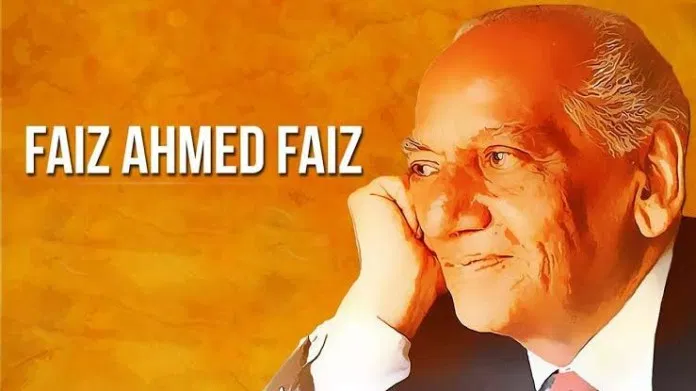
In a controversial move, the CBSE has dropped several chapters, including the Non-Alignment Movement by Jawaharlal Nehru, the Mughal Courts, the rise of Islamic Empires, poems by Faiz Ahmed Faiz, and even chapters on Democracy and diversity, Cold War, etc., from the syllabus of classes 10th to 12th. 
CBSE drops Islamic Empires, 'Democracy and Diversity' chapters from syllabus
Image Source: opindia

When inquired about the reason behind this move, the officials of the largest educational board maintained that the exclusions were part of the syllabus rationalization process and were in line with NCERT recommendations. 

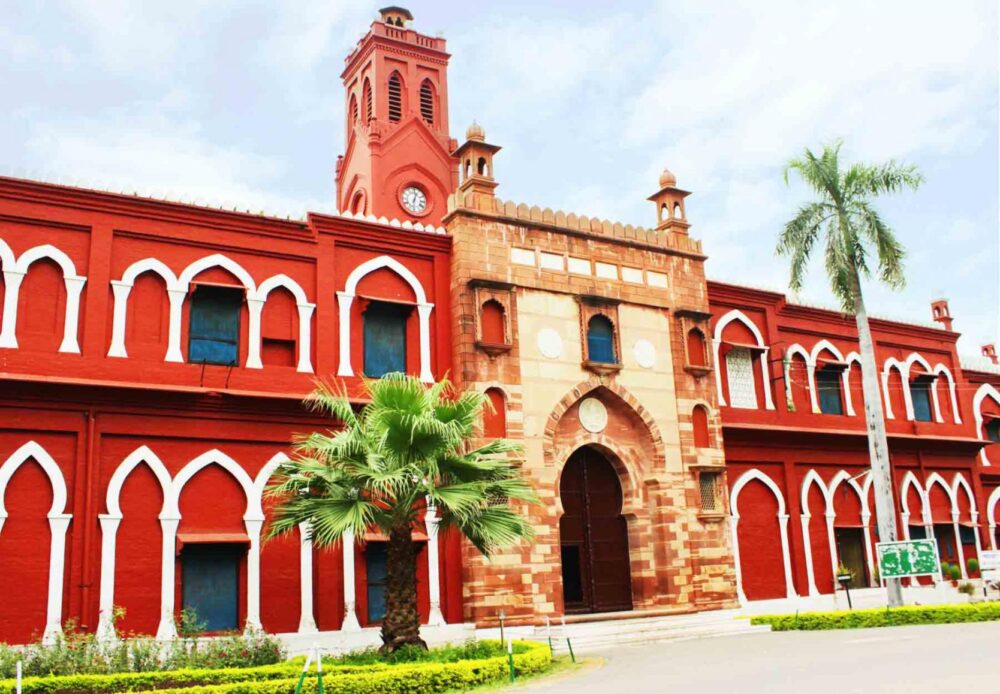
For the class 10th syllabus this year, the topic “impact of globalization on agriculture” from a chapter on ‘Food Security’ has been dropped. The translated excerpts from two poems in Urdu by Faiz Ahmed Faiz, the ‘Religion, Communalism, and Politics – Communalism, Secular State’ section have also been excluded this year. From the class 11 history syllabus, the chapters on “Central Islamic Lands” have been dropped. These chapters discuss Islamic history from its emergence, the rise of the caliphate, and subsequent empire building.   
The need for transparency in the conduct of politicians and ministersAlso readThe need for transparency in the conduct of politicians and ministers
CBSE drops Islamic Empires, 'Democracy and Diversity' chapters from syllabus
Image Source: career360

Further, chapters from the class 12 history syllabus, titled ‘The Mughal Court: Reconstructing Histories through Chronicles’ were also dropped. This text explored various manuscripts and chronicles from the Mughal courts in order to reconstruct the social, religious, and cultural history of the Mughals. 

While the teachers are concerned that the students will be deprived of the opportunity to learn important pieces of history that played a significant role in shaping the country,  “dropping the chapters on Islamic Empires will deprive the students of learning about the idea of Islam, the chapter is crucial also because the world’s Muslim population exceeds one billion and the community makes up 14.2 percent of India’s population”, a teacher said. 

However, this is not the first time that CBSE has dropped chapters that have been part of the syllabus for decades. While one might think of this move as a timely practice of syllabus rationalization, some academics suspect that the move is in sync with the views of the current dispensation. Soon after the BJP government came into power in 2014, there have been several instances where the BJP govt. made headlines for attempting to tamper with and rewrite history. From renaming places to editing school history textbooks, India’s Mughal past is being erased as the Modi govt. pushes a Hindutva agenda. 

CBSE drops Islamic Empires, 'Democracy and Diversity' chapters from syllabus
Image Source: shiksha

“Tampering with history: how India’s ruling party is erasing the Muslim heritage of the nation’s cities,” read the headline of an article published in May 2019 by the Conversation. 

“The renaming of cities is part of a growing trend in the lead-up to India’s current general election, to appeal to its voter base of Hindu nationalists, the BJP is attempting to erase India’s Mughal legacy both from the landscape and from the history books”, the article further added. 

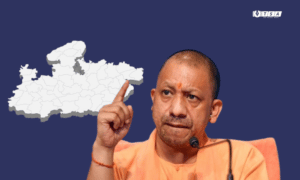
The campaign to rename places was led by the Hindu priest Yogi Adithiyanath, current CM of Uttar Pradesh. He has repeatedly made calls to reclaim towns, streets, airports, and railway stations that are seen as reminders of the Muslim past. 
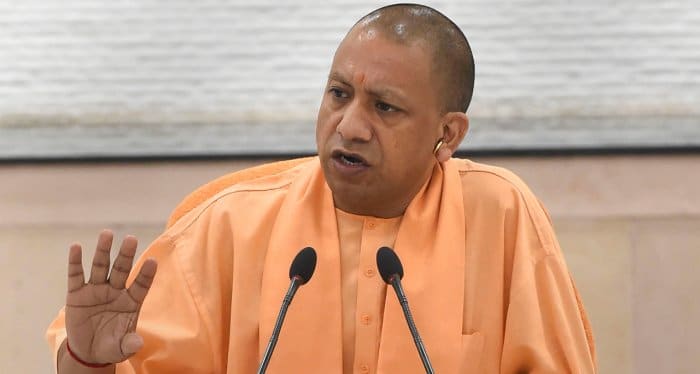
CBSE drops Islamic Empires, 'Democracy and Diversity' chapters from syllabus
Image Source: deccanherald

“The right-wing Indian government has been attempting to rewrite the country’s Islamic past, replacing hard facts with murky fiction. This is all part of the grand plan to stroke nationalistic favor and communal tensions to divert attention from the issues facing the country”, wrote another article published in October 2020 by SCMP. 

Table of Contents
  • Some such instances include : 

Some such instances include : 

▪︎ The renaming of the historic city of Allahabad. The name is no longer on the map of India. In October 2018, the BJP changed its name to Prayagraj. 

▪︎ In the same year, 150-years-old Mughalsarai, the central railway junction, was renamed, Deendayal Upadhyay. 

▪︎ The 18th-century ruler of the Mysore kingdom and a celebrated administrator, Tipu Sultan has been labeled a fanatic and erased from textbooks. 

▪︎ The Citizenship Amendment Act and the National Registry of Citizens were further introduced with the purpose of segregating Muslims. 

▪︎ Another major win for the Hindutva ideology, was when the 16th century Babri Masjid was obliterated after a ground consecration ceremony to build a temple on the site. 

“All this points to a clear agenda to disempower the minority Muslim community by erasing their contributions to India’s multi-faith past and isolating them as outsiders. All it takes is for two generations of India’s youth to grow up with this biased version of history, for it to become an immutable fact. India’s unique heritage of syncretism is under threat, and that is certainly a cause for worry”, wrote Charukesi Ramadurai, an Indian freelance journalist.

Also Checkout: The need for transparency in the conduct of politicians and ministers

Enjoyed this story?Share it with your friends
WhatsAppLinkedInXFacebookEmail
See more TSA Mag stories on GoogleAdd us as a preferred source and our stories will show up more often in your Top Stories.
GAdd The Second Angle as a preferred source on Google
ShareSend
Tweet
Previous Post

LeBron James Net worth- lifestyle, career, early life, quotes

Next Post

Coal and power shortage due to heatwaves, and non-payment of funds

Related Posts

Are we any closer to gender equality even after 75 years of independence?
Opinion

Gender Equality in India After 79 Years of Independence: The Data

How close is India to gender equality after 79 years of independence? Latest WEF ranking, NCRB crime data, new laws...

Read moreDetails
Is AMU a Secular University? Minority Status Explained
Opinion

Is AMU a Secular University? Minority Status Explained

Is AMU a secular university? What the AMU Act says on admissions, the history of its minority status case and...

Read moreDetails
LGBTQIA+ in Afghanistan
World News

LGBTQIA+ in Afghanistan: Life Under Taliban Rule in 2026

LGBTQIA+ in Afghanistan: the law before 2021, abuses reported under the Taliban, and the July 2025 ICC arrest warrants that...

Read moreDetails
chinese
Opinion

Boycott Chinese Products: What Changed in India Since 2020

Did the call to boycott Chinese products after Galwan work? A look at app bans, investment rules, phone sales and...

Read moreDetails
Uttarakhand to take inspiration from The U.P’s Population Control Bill
Opinion

Uttarakhand Population Control Bill: Status In 2026 Explained

Uttarakhand population control bill explained: what the state proposed in 2021, the UP draft it studied, criticism, and where the...

Read moreDetails
Journalism or Joke? Worst Phase of Indian Media
Featured

Journalism or Joke? Worst Phase of Indian Media

To put it in a few words, it wont be an exaggeration to say this is the ‘worst phase of...

Read moreDetails
Load More
Next Post
Coal and power shortage due to heatwaves, and non-payment of funds

Coal and power shortage due to heatwaves, and non-payment of funds

About

The Second Angle

The Second Angle (TSA Mag) is an infotainment and lifestyle magazine covering entertainment, travel, technology, health, education and finance.

Important Links

  • About The Second Angle
  • Advertise With Us
  • Editorial Policy
  • Privacy Policy
  • Terms and Conditions
  • Contact Us
  • Careers
  • Newsletter

Explore

  • Infotainment
  • Entertainment
  • Buzz
  • Education
  • Travel
  • Finance
  • Healthcare
  • Technology
Advertise with us

© 2017-2026. The Second Angle. All Rights Reserved. Developed and Managed by Squarebase.io

Welcome Back!

Login to your account below

Forgotten Password?

Retrieve your password

Please enter your username or email address to reset your password.

Log In
No Result
View All Result
  • Infotainment
    • Sports
    • People
    • Inspiring
  • Entertainment
    • Lifestyle
    • Home & Decoration
  • Buzz
  • Education
  • Travel
  • Finance
  • Healthcare
  • Technology

© 2017-2026. The Second Angle. All Rights Reserved. Developed and Managed by Squarebase.io

We use cookies to keep TSA fast and relevant. Read our Privacy Policy.