• About   |
  • Advertise |
  • Contact Us
No Result
View All Result
The Second Angle (TSA Magazine)
Advertise
  • Infotainment
    • Sports
    • People
    • Inspiring
  • Entertainment
    • Lifestyle
    • Home & Decoration
  • Buzz
  • Education
  • Travel
  • Finance
  • Healthcare
  • Technology
The Second Angle
No Result
View All Result
  • Infotainment
  • Entertainment
  • Buzz
  • Education
  • Travel
  • Finance
  • Healthcare
  • Technology
Home Opinion

Translation hierarchy in Indian literature is a less-discussed problem, Our languages require more innovation than preservation.

Translation is a big reason for the deteriorating condition of Indian languages.

by Sakshi Gupta
December 16, 2021
in Opinion
Reading Time: 3 mins read
Translation hierarchy in Indian literature is a less-discussed problem, Our languages require more innovation than preservation.
Share on FacebookShare on WhatsApp
4 min readGAdd The Second Angle as a preferred source on Google
Key takeaways
The word 'babu' in Bangla means respect and politeness.This is an ignored and yet important crisis when it comes to the translation of Indian languages.In this case, the problem is not just about cultural loss, it is the hierarchical organization of these languages.

The word ‘babu’ in Bangla means respect and politeness. But, when it comes to other Indian languages, it is used as a taunt for upper-class people. If you try to translate the word in English, no word matches the meaning and depth of the same word in Bangla. 

This is an ignored and yet important crisis when it comes to the translation of Indian languages. The literature of any particular language originates from multiple contexts of the language. So, whenever one tries to translate a specific word from that language, it becomes difficult to upkeep the ‘essence’ and ‘depth’ of that word.
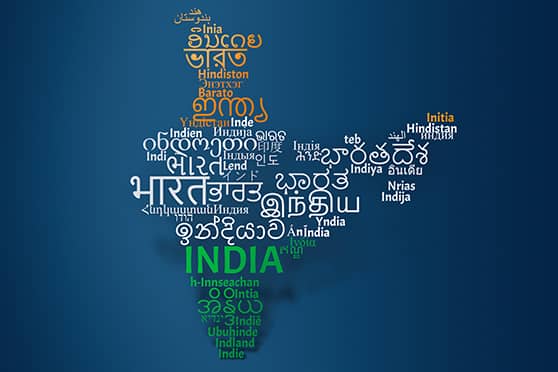
The Indian Language: Origins, Diversity and History
Image Source-About India

In this case, the problem is not just about cultural loss, it is the hierarchical organization of these languages. There are several languages and dialects in India. There is no particular estimate; some point it at 300, some at 600. The number of officially recognized languages in India is 22. Some languages have the privilege of being some of the most translated languages in India. The languages at the top of this hierarchy are Bangla, Malayalam, Tamil, etc. Some other languages are Marathi and Kannada. These languages are mostly translated into English and Hindi. 

Justice for the Judge, Injustice for the RestAlso readJustice for the Judge, Injustice for the Rest
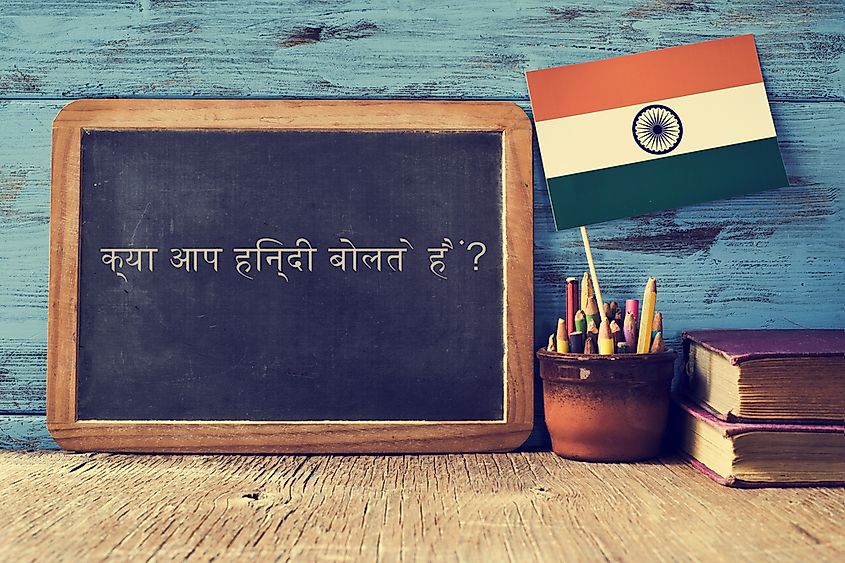
What Languages Are Spoken In India? - WorldAtlas
Image Source-WorldAtlas

Although most of these languages are popular, highly spoken with rich history and heritage, they still have an ’emerging’ title with them. In this scenario, we need to ask ourselves when will languages like Western Pahari, with its script Tankri find their place. Keeping in mind the fact that Tankri is one of the oldest written forms of South Asia. Even there are many lesser-known dialects of the Tibetan-Burman language group or the ones spoken at north-Indian borders. Will it ever get a chance? 

Table of Contents
  • The role of translation in the deteriorating Condition of Indian languages:

The role of translation in the deteriorating Condition of Indian languages:

Despite gaining independence 75 years ago, we are yet to make progress in the deteriorating state of Indian languages. It’s not about more than 200 dialects that have been lost since the 1960s, but also about the speakers of these languages. The previous generations have been loyal readers of Hindi and regional literature, but their present generations are more comfortable with English literature than Hindi. The sole aspect to be blamed in this case is not the colonial attitude of the elite schools of India. The Indian families deeply rooted in their linguistic heritage are struggling with this problem. 

The argument that English is a professional requirement also does not work in this case. The reason is that earlier when the foreign invaders reigned in India, the language for official work, documentation work, and commerce used to be Persian Sanskrit or English. But, it did not lead to the deterioration of regional languages or dialects. It did not displace the local languages, but rather new words were added in the language that elevated them. This is the reason some of the greatest Indian poets and writers have been multilingual. 
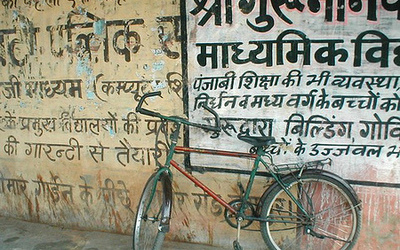
Where to learn Indian languages: Courses, institutes and job roles - Telegraph India
Image Source-Telegraph India

Some reasons for it are that from a young age, textbooks include fairy tales and extracts of English novels.  The content is stuck between the 1930s and 1970s. There is less mention of technology, mobile phones, or even television, and more towards steam engines. The second problem is the decreased pace of innovation in Indian languages.  

But the biggest problem is translation.  Any regional writer like a Marathi writer will be happy when his work is translated into foreign languages for foreign readers. But, this does nothing for the regional language like Marathi in this case. The success of English lies in the fact that we can read Greek literature of Homer like the Iliad and odyssey English without having to learn ancient Greek. So, there is a need for inward translation rather than outward translation. Any language is a means for transmitting or expressing a particular idea. So, its literature grows when it absorbs material from other languages that are lacking in Indian Languages. 


Also Read:  Justice for the Judge, Injustice for the Rest

Enjoyed this story?Share it with your friends
WhatsAppLinkedInXFacebookEmail
See more TSA Mag stories on GoogleAdd us as a preferred source and our stories will show up more often in your Top Stories.
GAdd The Second Angle as a preferred source on Google
ShareSend
Tweet
Previous Post

12 Content Creators Who Made 2021 Better For Us

Next Post

The legal age for a woman to get married will be 21, the cabinet passed the proposal

Related Posts

Are we any closer to gender equality even after 75 years of independence?
Opinion

Gender Equality in India After 79 Years of Independence: The Data

How close is India to gender equality after 79 years of independence? Latest WEF ranking, NCRB crime data, new laws...

Read moreDetails
Is AMU a Secular University? Minority Status Explained
Opinion

Is AMU a Secular University? Minority Status Explained

Is AMU a secular university? What the AMU Act says on admissions, the history of its minority status case and...

Read moreDetails
LGBTQIA+ in Afghanistan
World News

LGBTQIA+ in Afghanistan: Life Under Taliban Rule in 2026

LGBTQIA+ in Afghanistan: the law before 2021, abuses reported under the Taliban, and the July 2025 ICC arrest warrants that...

Read moreDetails
chinese
Opinion

Boycott Chinese Products: What Changed in India Since 2020

Did the call to boycott Chinese products after Galwan work? A look at app bans, investment rules, phone sales and...

Read moreDetails
Uttarakhand to take inspiration from The U.P’s Population Control Bill
Opinion

Uttarakhand Population Control Bill: Status In 2026 Explained

Uttarakhand population control bill explained: what the state proposed in 2021, the UP draft it studied, criticism, and where the...

Read moreDetails
Journalism or Joke? Worst Phase of Indian Media
Featured

Journalism or Joke? Worst Phase of Indian Media

To put it in a few words, it wont be an exaggeration to say this is the ‘worst phase of...

Read moreDetails
Load More
Next Post
The legal age for a woman to get married will be 21, the cabinet passed the proposal

The legal age for a woman to get married will be 21, the cabinet passed the proposal

About

The Second Angle

The Second Angle (TSA Mag) is an infotainment and lifestyle magazine covering entertainment, travel, technology, health, education and finance.

Important Links

  • About The Second Angle
  • Advertise With Us
  • Editorial Policy
  • Privacy Policy
  • Terms and Conditions
  • Contact Us
  • Careers
  • Newsletter

Explore

  • Infotainment
  • Entertainment
  • Buzz
  • Education
  • Travel
  • Finance
  • Healthcare
  • Technology
Advertise with us

© 2017-2026. The Second Angle. All Rights Reserved. Developed and Managed by Squarebase.io

Welcome Back!

Login to your account below

Forgotten Password?

Retrieve your password

Please enter your username or email address to reset your password.

Log In
No Result
View All Result
  • Infotainment
    • Sports
    • People
    • Inspiring
  • Entertainment
    • Lifestyle
    • Home & Decoration
  • Buzz
  • Education
  • Travel
  • Finance
  • Healthcare
  • Technology

© 2017-2026. The Second Angle. All Rights Reserved. Developed and Managed by Squarebase.io

We use cookies to keep TSA fast and relevant. Read our Privacy Policy.