

The main difference between Web 2.0 and Web 3.0 is who controls the data and the money. Web 2.0 is the social, platform-based internet most people use today, where companies such as Google, Meta and Amazon run the services and hold user data. Web 3.0, usually called Web3, is the idea of an internet built on blockchains, where users hold their own digital assets in wallets and apps run on shared networks rather than one company’s servers.
Four years after the Web3 hype peak of 2021 and 2022, the picture is clearer. Some parts of Web3 have become mainstream finance, especially stablecoins and bitcoin funds, while others, such as most NFT projects and “metaverse” land, faded. This guide explains both terms, compares them side by side and sets out where things stand in late 2026.
Web 1.0, Web 2.0 and Web 3.0 in one table
| Web 1.0 | Web 2.0 | Web 3.0 (Web3) | |
|---|---|---|---|
| Rough period | 1990s to early 2000s | Mid-2000s to now | Late 2010s to now, alongside Web 2.0 |
| Main idea | Read: static pages | Read and write: user content and social platforms | Read, write and own: digital assets held by users |
| Who controls it | Site owners | Large platforms | Shared blockchain networks and token holders |
| How you log in | Rarely needed | Email and password, or “Sign in with Google/Apple” | A crypto wallet |
| How it makes money | Banner ads, subscriptions | Targeted advertising, subscriptions, app stores | Transaction fees, tokens |
| Examples | Early Yahoo, personal homepages | Facebook, YouTube, Wikipedia, TikTok, Google Docs | Bitcoin, Ethereum, stablecoins, decentralised exchanges |
What is Web 2.0?
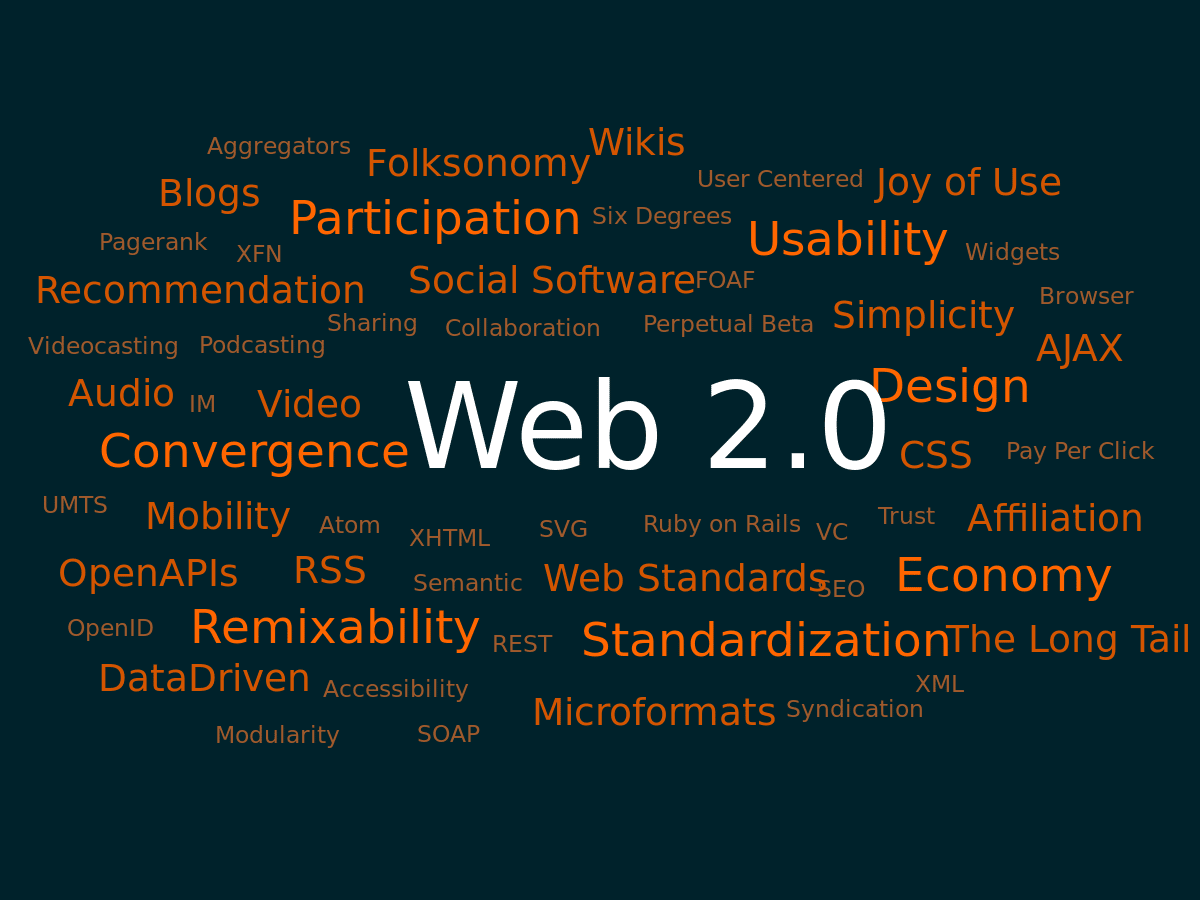
Web 2.0 describes the shift from static pages to interactive sites where ordinary users create the content. The term spread after publisher Tim O’Reilly’s Web 2.0 conference in 2004. Blogs, Wikipedia, YouTube, Facebook and later smartphone apps all belong to this phase.
 Also readTop 10 Paytm Alternatives You Should Use
Technically, it was made possible by tools such as JavaScript and Ajax, which let a page update without reloading. Google Maps was an early showcase: you could drag and zoom a live map instead of loading a new image each time. CSS gave designers proper control over layout, and cloud computing let start-ups run services for millions of users without owning servers.
The trade-off is control. In Web 2.0, your photos, followers and messages sit on a company’s servers under its terms of service. Platforms earn most of their money from advertising based on user data, and they can change the rules, ban accounts or shut down products at any time.
What is Web 3.0?
There are two meanings, and they are often mixed up.
- Web 3.0, the Semantic Web. In 2001, web inventor Tim Berners-Lee co-wrote a Scientific American article describing a web where data is labelled so that machines can understand it, not just display it. Parts of this idea are now everywhere, from structured data that powers search results to knowledge graphs.
- Web3, the blockchain web. Ethereum co-founder Gavin Wood used the term Web3 in 2014 for an internet where apps run on blockchains, payments and ownership are built in, and users hold assets in their own wallets. This is the meaning most people intend today.

The core building blocks of Web3 are blockchains (shared ledgers such as Bitcoin and Ethereum), smart contracts (programs that run on those ledgers), wallets (apps that hold the keys to your assets) and tokens (digital assets, from cryptocurrencies to stablecoins and NFTs).
Key differences between Web 2.0 and Web 3.0
- Ownership. In Web 2.0, a platform holds your account and data. In Web3, assets sit in a wallet you control, and you can move them between apps.
- Identity. Web 2.0 uses accounts tied to an email or phone number. Web3 uses wallet addresses, which can be pseudonymous.
- Payments. Web 2.0 relies on cards and banks bolted on through payment companies. In Web3, value transfer is part of the network itself.
- Control and censorship. A Web 2.0 company can remove content or close accounts. Public blockchains are harder for any single party to change, which cuts both ways: there is also no customer service desk if you lose your keys.
- Speed and cost. Web 2.0 apps are fast and free at the point of use. Web3 apps can be slower and charge network fees, although newer “layer 2” networks built on Ethereum have cut costs sharply.
- Risk. Web 2.0 risks are mostly about privacy. Web3 risks are financial: scams, hacks, lost keys and volatile prices.
Where Web3 stands in 2026
The honest summary is that Web3 did not replace Web 2.0, but parts of it merged into mainstream finance.
- Stablecoins grew up. These are tokens pegged to a currency such as the US dollar. By October 2026, Tether’s USDT had a supply of about $183.8 billion and Circle’s USDC about $74 billion, according to a CoinGecko report. Dollar tokens make up more than 99% of the market.
- Regulation arrived. In the US, the GENIUS Act, signed in July 2025, created federal rules for stablecoin issuers. In the EU, the Markets in Crypto-Assets regulation (MiCA) has applied in full since 30 December 2024. CoinGecko found that euro stablecoins that do not comply with MiCA fell from 87% of supply to below 1%.
- Bitcoin went to Wall Street. US spot bitcoin exchange-traded funds launched in January 2024, and bitcoin reached a record of about $126,000 on 6 October 2025. Prices remain volatile: by 12 November 2026 it was trading around $73,000, roughly 42% below that peak.
- NFTs and the metaverse cooled. Trading volumes and prices for most NFT collections are far below their 2021 and 2022 highs, and many projects from that period have shut down. See our list of the most expensive NFTs ever sold for a sense of how high prices went at the peak.
- AI took the spotlight. Since ChatGPT launched in late 2022, generative AI has replaced Web3 as the technology most people think of as “the next internet”. Our explainer on what a large language model is covers how that side works.
Real examples of each
Web 2.0 services you already use
Social media (Instagram, TikTok, X), video (YouTube), collaboration tools (Google Docs, Microsoft 365), marketplaces (Amazon, eBay) and encyclopaedias (Wikipedia) are all Web 2.0. They are free or cheap, easy to use and run by a company.
Web3 tools in use today
Crypto wallets such as MetaMask, blockchains such as Ethereum and Solana, decentralised exchanges that let users swap tokens without a broker, and stablecoins used for cross-border payments are the most widely used parts of Web3. In practice, many people now reach these through regulated apps and exchanges that look and feel like Web 2.0 services.
Will Web3 replace Web 2.0?
Unlikely, at least not in the way early supporters predicted. Most people still prefer the convenience of platforms, password resets and customer support. The more realistic outcome is a mix: Web 2.0 apps for everyday use, with blockchain technology working in the background for payments, digital ownership and settlement. If you want to try Web3, start small, use well-known regulated services, and never share a wallet’s recovery phrase with anyone.
For the longer history of the web itself, the World Wide Web entry on Wikipedia is a useful starting point.
Frequently asked questions
Is Web3 the same as Web 3.0?
Not exactly. Web 3.0 originally meant the Semantic Web, where data is machine-readable. Web3 refers to a blockchain-based internet. Today the two terms are often used for the blockchain meaning.
Are we using Web 2.0 or Web 3.0 now?
Most people use Web 2.0 every day. Web3 tools such as crypto wallets and stablecoins exist alongside it, often accessed through regulated apps.
Is Web3 dead?
No, but it changed. Stablecoins and bitcoin funds grew into large, regulated markets, while much of the NFT and metaverse hype from 2021 and 2022 faded.
What is an example of Web3?
Holding a stablecoin in your own wallet and sending it abroad without a bank, or swapping tokens on a decentralised exchange, are common Web3 examples.